Princeton Engineering

Princeton Engineering

  • VISITOR INFO
  • CONTACT
  • Home
  • About
  • News
  • Events
  • Video
  • Undergraduates
  • Graduates
  • Research Directory
  • Alumni
  • Departments
  • Interdisciplinary Centers
  • Staff & Faculty Resources

Home » Departments

Departments at a glance

Princeton Engineering includes six academic departments, each with an emphasis on integrating first-rate teaching and high-impact research. For details on specific areas of research, visit our Faculty Research Directory. (Student enrollments below are annual snapshots rounded to the nearest 5.)

Chemical & Biological Engineering

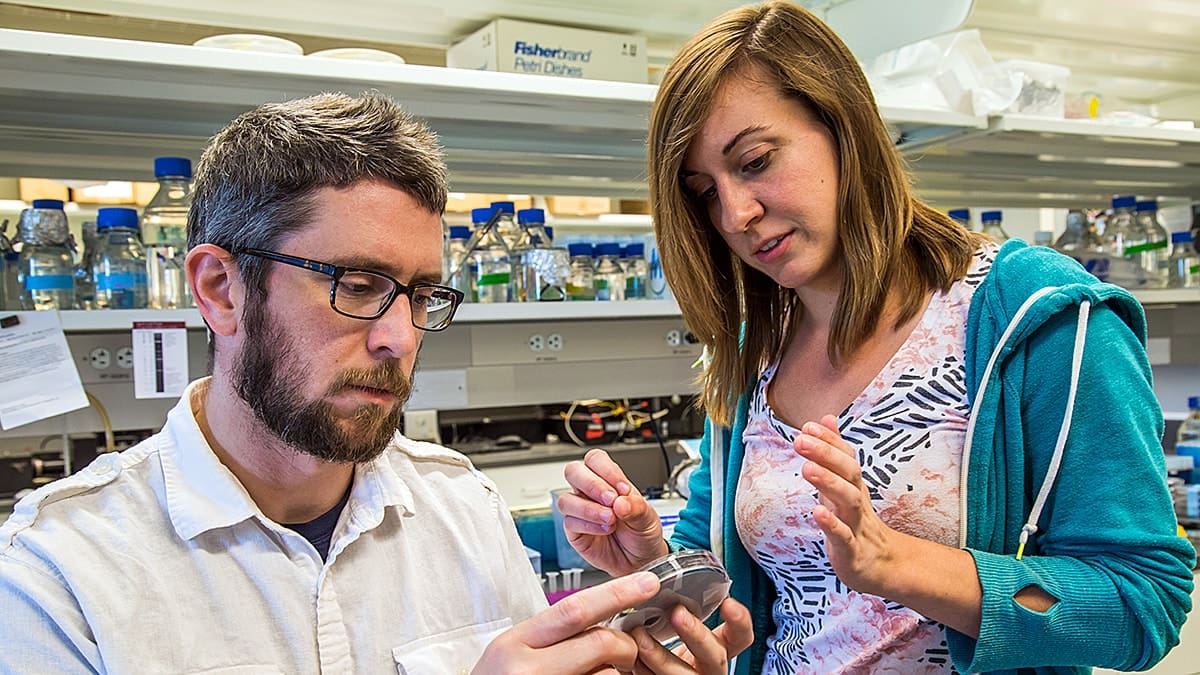
The field of chemical engineering has moved beyond a focus on industrial processes to addresses a range of problems in human health, energy production and materials science. Areas of excellence at Princeton include: applied and computational mathematics, bioengineering, environmental and energy science and technology, materials, process systems engineering, thermodynamics and statistical mechanics, and transport phenomena.

Learn More

Civil & Environmental Engineering

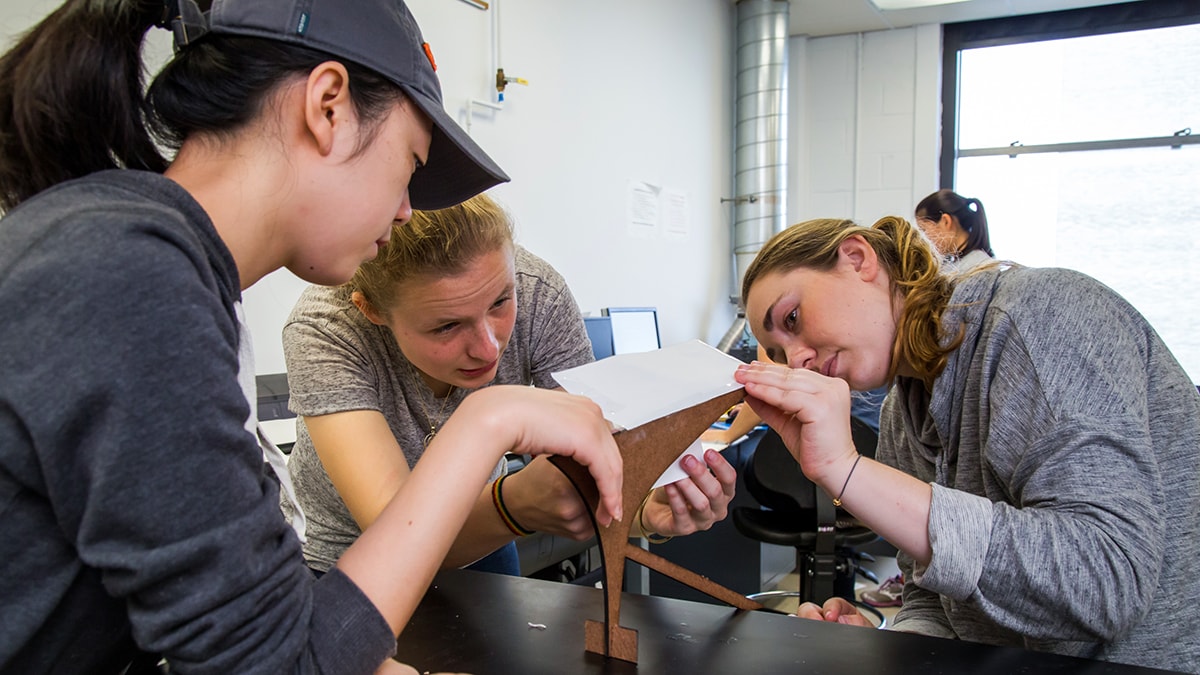
Civil & Environmental Engineering at Princeton is a dynamic and growing department. Its research and teaching address broad questions associated with the built environment, the natural environment, and interactions between the two, with an evolving emphasis on sustainability. Focus areas include structural art, structural design, and building materials; urban environments; water and air quality; climate-change mitigation; and the impacts of climate change on water resources and the hydrologic cycle.

Learn More

Computer Science

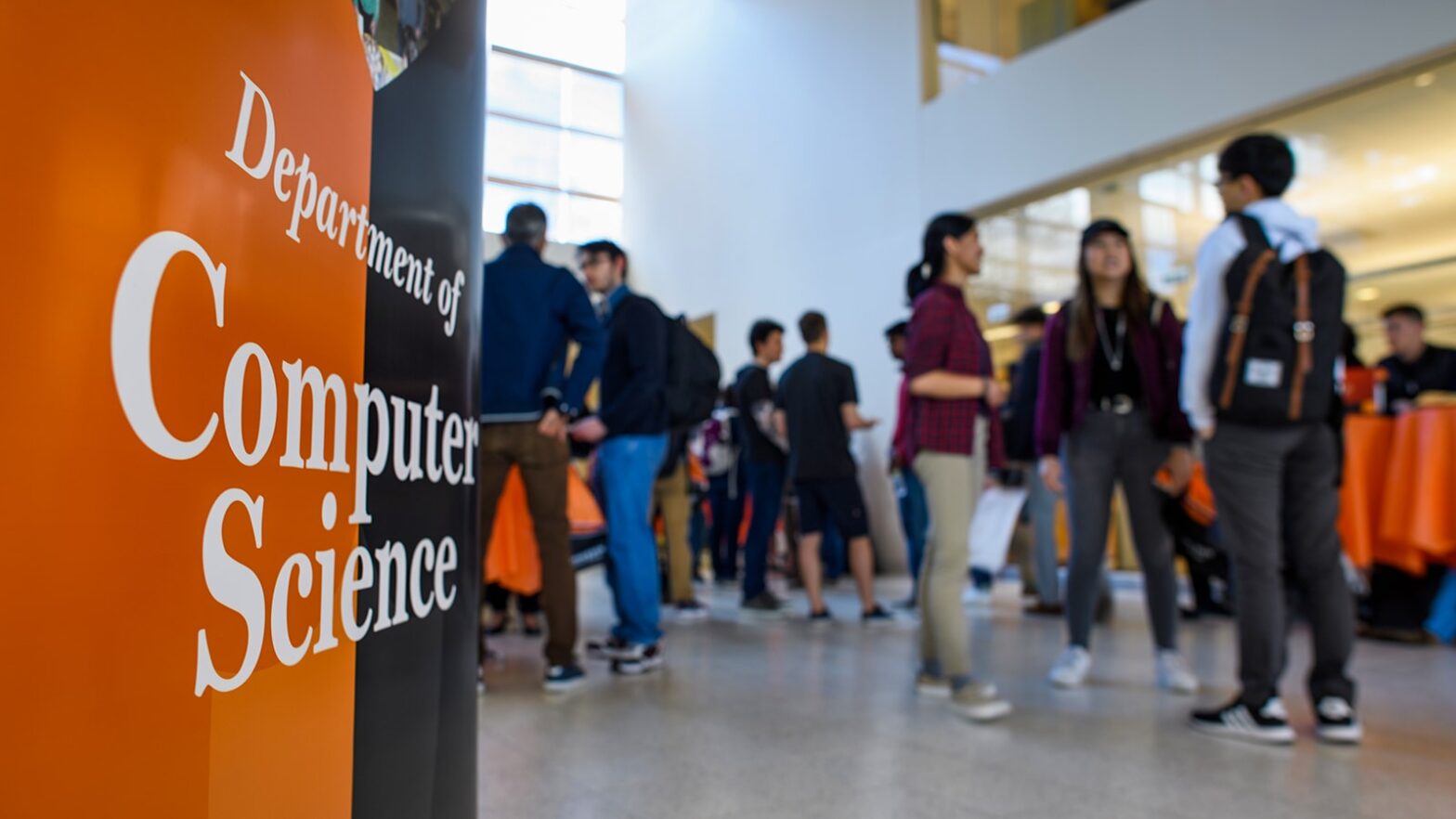
Princeton has been at the forefront of computing since Alan Turing, Alonzo Church and John von Neumann were among its residents. The department has experienced significant growth over the last few years with strong groups in theory, systems, networking, computer architecture, graphics/media, programming languages, computational science, security, artificial intelligence, and computational biology.

Learn More

Electrical Engineering

Princeton's Electrical Engineering program, started in 1889 as one of the first in the United States, remains at the forefront of the field, with research aimed at improving human health, communications, environmental protection, energy production and life in developing regions. Specific areas of research include the basic physics of semiconductors; electronic and optical devices; the design of computers; and algorithms and structures for information and biological technologies.

Learn More

Mechanical & Aerospace Engineering

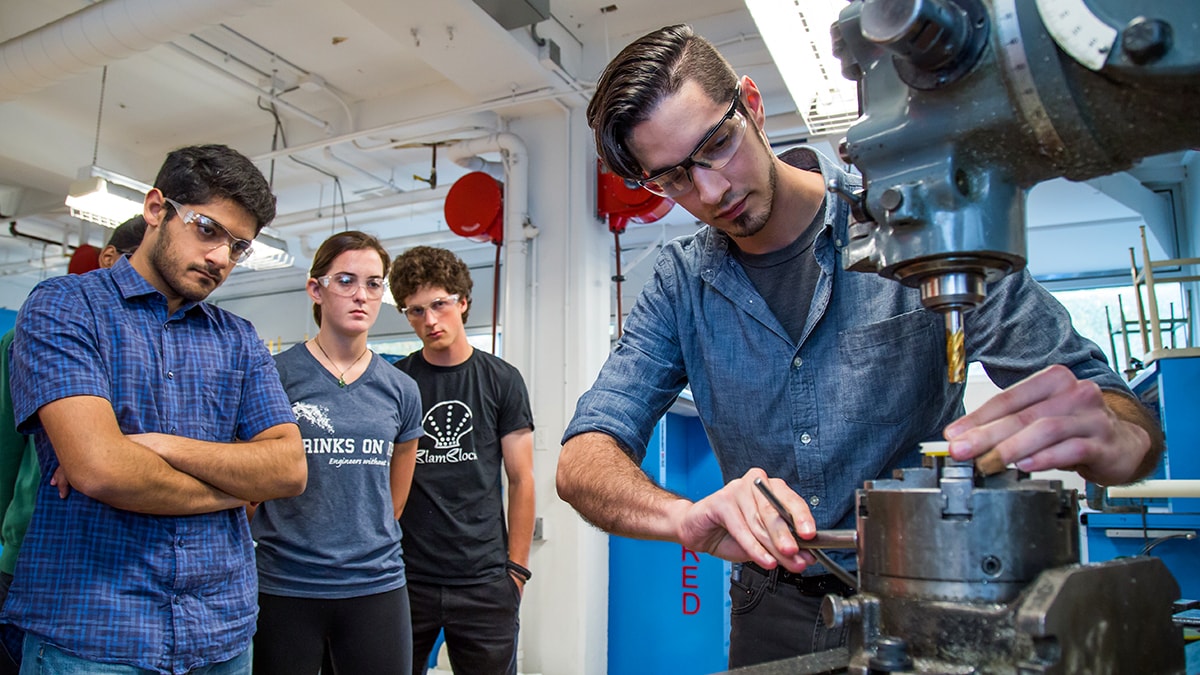
Mechanical & aerospace Engineers at Princeton have played leading roles in fluid modeling and measurement, propulsion, combustion and aerospace dynamics over the past half century. With ties to many other areas of science and engineering, MAE faculty have a major impact in bioengineering, pollution and alternative fuels, energy usage, space exploration, satellite technology, propulsion systems, stability and control of vehicles, aircraft performance, instrumentation, and laser technology and materials.

Learn More

Operations Research & Financial Engineering

The Department of Operations Research & Financial Engineering is unique in the United States, combining deep roots in mathematics with engineering, business and finance. Much of the research in the department focuses on managing risk and optimizing operations. Faculty and students develop tools used to make better decisions, improve performance of complex systems, and manage resources efficiently.

Learn More

Princeton University
© 2013 The Trustees of Princeton University
School of Engineering and Applied Science
Princeton, NJ 08544
Feedback: eqn@princeton.edu