Web Stories
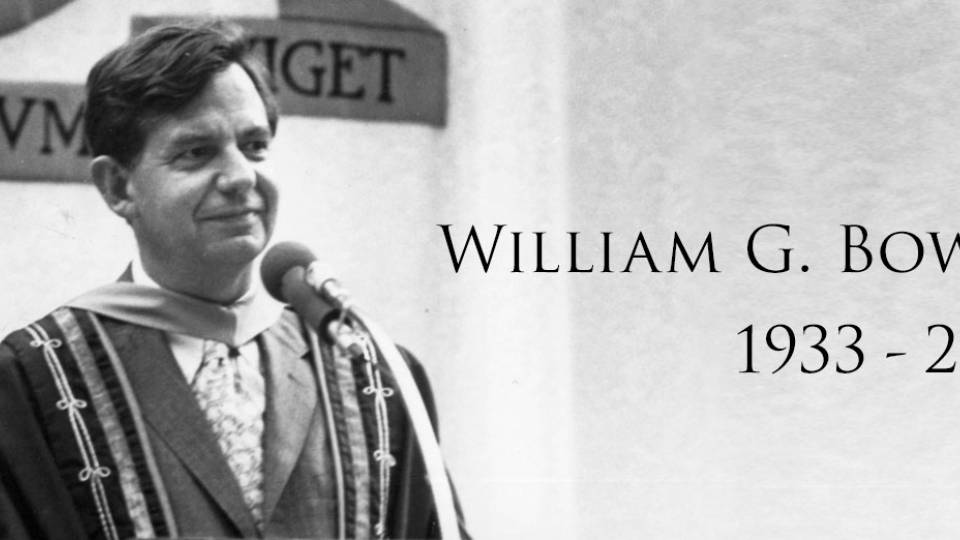
William G. Bowen: Reflections of a University president
Posted February 21, 2011; 12:00 p.m.
To view the multimedia features on this page, you will need to download the latest version of Flash Player and/or enable JavaScript.
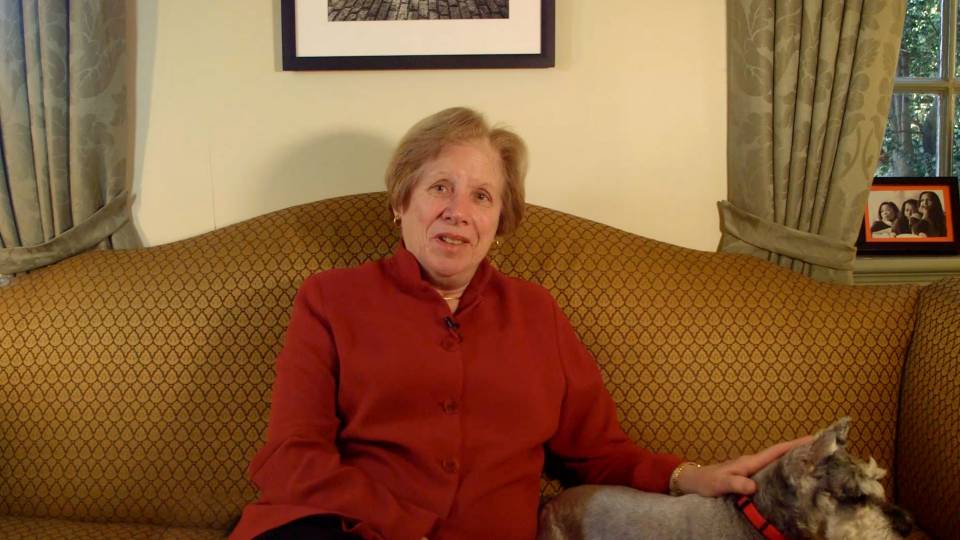
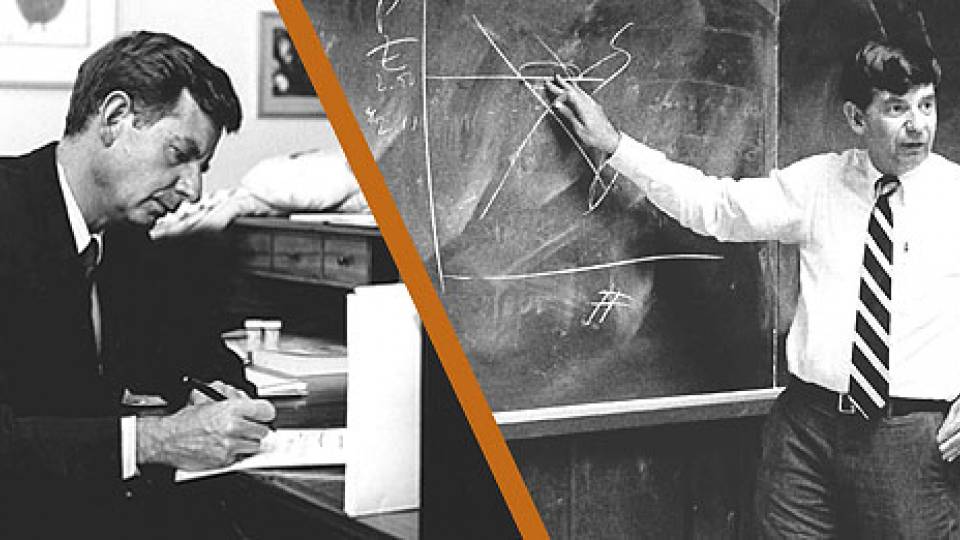
President Emeritus William G. Bowen reflects on his role in Princeton's history concerning coeducation, diversity, life sciences and more. Read more.
Video Closed Captions
[music]
Daniel Linke:
So, you were 38 when you became president,
Daniel Linke:
So, you were 38 when you became president,
Daniel Linke:
and looking back now, do you think you were ready?
William G. Bowen:
Well, as ready as anyone really can be. I had,
William G. Bowen:
of course, two advantages... two huge advantages.
William G. Bowen:
One was the fact that I was young, and therefore had energy
William G. Bowen:
and stamina and could work extraordinary hours, as I did.
William G. Bowen:
The second advantage is that, of course, having been
in the provost's office for
William G. Bowen:
five tumultuous years,
William G. Bowen:
I really understood very well what the presidency was all about.
William G. Bowen:
Now that I think about it, I had a third advantage
William G. Bowen:
which many other people don't have, which is
William G. Bowen:
that I knew so many people at Princeton.
William G. Bowen:
I always felt that we're
William G. Bowen:
all in this together.
William G. Bowen:
Let's figure out how we can help each other
William G. Bowen:
and get the job done.
Daniel Linke:
As provost, the CPUC and the provost work very closely together.
William G. Bowen:
Absolutely.
Daniel Linke:
So, tell me about your involvement in that process.
William G. Bowen:
I had a lot to do with the
William G. Bowen:
construction of the CPUC
William G. Bowen:
and it was one of the
William G. Bowen:
more useful things I did for Princeton, because
what it did was impose a structure,
William G. Bowen:
an order, on a process that was otherwise all over the place.
William G. Bowen:
It was a strongly positive thing, at least in my view.
Daniel Linke:
So, did you assume co-education was an eventuality before
Daniel Linke:
the Patterson Committee?
William G. Bowen:
Oh yes, I had thought for a long time
William G. Bowen:
that Princeton simply had to become co-educational.
William G. Bowen:
There wasn't a real choice at the end of the day.
William G. Bowen:
There would be costs that would
William G. Bowen:
cut across the institution in every way.
William G. Bowen:
Faculty, the best faculty, many of them
would not have stayed.
William G. Bowen:
We wouldn't have been able to recruit
William G. Bowen:
the students, male as well as female, that we needed.
William G. Bowen:
The University would have become anachronistic,
William G. Bowen:
and so for me it was
William G. Bowen:
the issue, because it did affect
William G. Bowen:
everything else. What it came down to was to signify
William G. Bowen:
the capacity of a great university, which Princeton
certainly was pre-coeducation,
William G. Bowen:
to change and to become better than it was then.
William G. Bowen:
The challenges really
William G. Bowen:
to achieving the greater diversity that
we all wanted, I think that almost everyone wanted,
William G. Bowen:
were just finding very good candidates in a society
that was still
William G. Bowen:
quite segregated and where educational opportunity,
pre-college, was by no means equally
William G. Bowen:
distributed. And so we had to find ways --
as we did with the help of
William G. Bowen:
minority students themselves and other people
William G. Bowen:
to reach out, to be more effective
William G. Bowen:
in persuading people of all races and colors and
William G. Bowen:
attitudes to come to Princeton.
William G. Bowen:
So one of my goals
William G. Bowen:
was to help not only minority students and women,
William G. Bowen:
but also Jewish students, feel more included.
William G. Bowen:
Probably the most important thing that I did, in the last half anyway,
William G. Bowen:
it gets ahead of the
William G. Bowen:
timeline a bit, the last half of my time in Nassau Hall
William G. Bowen:
was to build the life sciences.
William G. Bowen:
I remember well losing some top
William G. Bowen:
young faculty in the life sciences, because there
weren't the facilities and there weren't the colleagues.
William G. Bowen:
So finally, we'd had enough of this, and
William G. Bowen:
we decided, the group of us
William G. Bowen:
that were leading the University at that time, that we
were going to do whatever it took.
William G. Bowen:
We were going to spend the money -- and we did. And that's when
William G. Bowen:
we attracted Arnie Levine and Tom Shenk,
William G. Bowen:
Shirley Tilghman, and just a host
William G. Bowen:
of outstanding people. I remember very well
walking across the campus with Shenk
William G. Bowen:
shortly after he had come to Princeton,
William G. Bowen:
and he said he just wanted to thank me for all
the support I had provided for molecular biology and the life
William G. Bowen:
sciences, and I said,
William G. Bowen:
"Thank you, but all I want is
William G. Bowen:
success." He said, "Well, we will build here
William G. Bowen:
the best molecular biology department in the country."
[music]