Julian E. Zelizer
Malcolm Stevenson Forbes, Class of 1941
Professor of History and Public Affairs, Princeton University
About
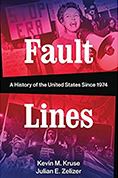
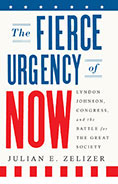
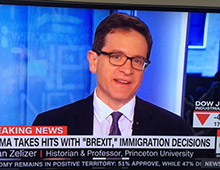
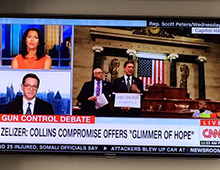
Julian E. Zelizer has been one of the pioneers in the revival of American political history. He is the author of Taxing America: Wilbur D. Mills, Congress, and the State, 1945-1975 (1998), On Capitol Hill: The Struggle to Reform Congress and its Consequences, 1948-2000 (2004), Arsenal of Democracy: The Politics of National Security—From World War II to the War on Terrorism (2010), Jimmy Carter (2010), and Conservatives in Power: The Reagan Years, 1981-1989 (2010), and Governing America: The Revival of Political History. His most recent book is The Fierce Urgency of Now: Lyndon Johnson, Congress, and the Battle for the Great Society (2015). He has edited 10 books on American political history, with subjects ranging from the politics and the media to the presidency of George W. Bush. In addition to his scholarly articles and book chapters, Zelizer is a frequent commentator in the international and national media on political history and contemporary politics. He has published over seven hundred op-eds, including his weekly column on CNN.Com. He is a regular news commentator on radio, television and in print. He has received fellowships from the Brookings Institution, the Guggenheim Foundation, the Russell Sage Foundation, and New America.
Recent Media
Washington Examiner, July 31, 2018
Tampa Bay Times, July 30, 2018
NJ Star Ledger, October 15, 2017
SF Chronicle, September 23, 2017
The Record, September 14, 2017
Washington Post, August 29, 2017
Australian Broadcast Radio, August 29, 2017
Financial Times, August 18, 2017
Washington Post, August 17, 2017
Associated Press, August 12, 2017
Philadelphia Inquirer, August 5, 2017
Associated Press, August 5, 2017
KPCC (Air Talk), August 4, 2017
Albany Times Union, August 1, 2017
Real Clear Politics, July 26, 2017
Associated Press, July 18, 2017
Financial Times, July 14, 2017
WBUR Here and Now, July 11, 2017
Wisconsin Public Radio, July 10, 2017
Associated Press, July 3, 2017
NPR All Things Considered, June 20, 2017
Philadelphia Inquirer, June 7, 2017
Business Insider, June 7, 2017
Associated Press, May 27, 2017
Voice of America, May 25, 2017
Los Angeles Times, May 19, 2017
Wall Street Journal, May 18, 2017
Agence France Presse, May 14, 2017
Wisconsin Public Radio, May 4, 2017
Washington Post, April 28, 2017
Huffington Post, April 25, 2017
The Takeaway (WNYC), April 25, 2017
NJ Star Ledger, April 23, 2017
NJ Star Ledger, April 20, 2017
Hollywood Reporter, April 13, 2017
Christian Science Monitor, April 6, 2017
NPR-Weekend Edition, April 1, 2017
NPR-All Things Considered, March 31, 2017
Political Junkie, March 30, 2017
NPR All Things Considered, March 21, 2017
NJ Star Ledger, March 19, 2017
Daily Princetonian, March 17, 2017
Washington Post, March 15, 2017
New York Times, March 15, 2017
Huffington Post, March 11, 2017
Here and Now (WBUR), March 10, 2017
New America Panel on Media Nation, February 23, 2017
Associated Press, February 18, 2017
Paris Normandie, February 15, 2017
Wall Street Journal, February 9, 2017
Boston Globe (2), February 9, 2017
Boston Globe, February 9, 2017
Philadelphia Inquirer, February 7, 2017
Associated Press, February 5, 2017
All Things Considered, February 2, 2017
Ian McMasters Show, February 2, 2017
Birmingham News, January 31, 2017
Bergen Record, January 30, 2017
The Guardian, January 28, 2017
CNN Reliable Sources, January 26, 2017
Hollywood Reporter, January 26, 2017
Australian Public Radio, January 22, 2017
Philadelphia Inquirer, January 21, 2017
Christian Science Monitor, January 20, 2017
Minnesota Public Radio, January 19, 2017
To The Point, January 19, 2017
The Washington Post, January 19, 2017
US News and World Report, January 19, 2017
Christian Science Monitor, January 19, 2017
Time Magazine, January 18, 2017
CNN The Situation Room, January 17, 2017
Philadelphia Inquirer, January 16, 2017
Asbury Park Press, January 16, 2017
NJ Star Ledger, January 15, 2017
San Antonio Express, January 15, 2017
The Washington Post, January 15, 2017
Associated Press, January 14, 2017
Huffington Post, January 12, 2017
The Texas Standard (NPR), January 12, 2017
WBEZ (Chicago, NPR), January 11, 2017
NPR Morning Edition, January 10, 2017
CNN International, January 9, 2017
WBUR Here and Now, January 9, 2017
NJ Star Ledger, January 8, 2017
NPR All Things Considered, January 5, 2017
The Atlantic, December 30, 2016
Huffington Post, December 28, 2016
CNN, Anderson Cooper 360, December 24, 2016
Real Clear Politics, December 19, 2016
US News and World Report, December 16, 2016
US News and World Report, December 7, 2016
The Fiscal Times, December 7, 2016
NJ Jewish News, December 6, 2016
Politico Playbook, December 6, 2016
NJ Star Ledger, December 4, 2016
CNN/Raw Story, November 21, 2016
The New York Times, November 19, 2016
Associated Press, November 19, 2016
McClatchy News, November 18, 2016
Radio Times (WHYY), November 15, 2016
Christian Science Monitor, November 14, 2016
The New York Times, November 14, 2016
Times Herald, November 11, 2016
Financial Times, November 11, 2016
NJ Star Ledger, November 9, 2016
NBC Nightly News, November 9, 2016
ABC Radio (Australia), November 7, 2016
Financial Times, November 6, 2016
NJ Star Ledger, November 4, 2016
Foreign Policy, November 3, 2016
L'Obs (France), November 2, 2016
CSPAN, Washington Journal, November 2, 2016
NJ Star Ledger, October 30, 2016
CNN Newsroom 2-October 29, 2016
CNN Newsroom, October 29, 2016
Associated Press, October 29, 2016
Philadelphia Inquirer, October 29, 2016
Specific Gravity, October 28, 2016
US News and World Report, October 28, 2016
Horace Mann Record, October 26, 2016
El Periodico, October 25, 2016
Kansas City Star, October 24, 2016
CNN Newsroom, October 22, 2016
CNN Newsroom, October 22, 2016
Princeton Alumni Weekly, October 20, 2016
Daily Princetonian, October 20, 2016
New York Times, October 20, 2016
NJ Star Ledger, October 20, 2016
Washington Times, October 20, 2016
Climate Wire, October 18, 2016
Wisconsin Public Radio, October 17, 2016
Think Progress, October 17, 2016
CNN Newsroom, October 15, 2016
Boston Globe, October 15, 2016
New Jersey Jewish News, October 15, 2016
Atlanta Jewish Times, October 13, 2016
BillMoyers.com, October 12, 2016
Agence France Presse, October 11, 2016
NJ Star Ledger, October 10, 2016
- Radio Times (WHYY), October 5, 2016
- Le Figaro, October 1, 2016
- Princeton Alumni Weekly, September 30, 2016
- NY Post, September 30, 2016
- Reuters, September 28, 2016
- CNN, September 23, 2016
- Here and Now-WBUR, Sepember 22, 2016
- New America Weekly, September 22, 2016
- Political Junkie, September 22, 2016
- Associated Press, September 22, 2016
- Bloomberg, September 22, 2016
- Xinhua, September 21, 2016
- Politico NJ Playbook, September 21, 2016
- Asbury Park Press, September 20, 2016
- NJ Star Ledger, September 20, 2016
- Marketplace, September 17, 2016
- Slate, September 16, 2016
- Politico, September 14, 2016
- Sirisu Radio, "The Dean Obedallah Show", September 14, 2016
- LA Times, September 14, 2016
- Times of Israel, September 13, 2016
- The Washington Post, September 13, 2016
- The New York Times, September 12, 2016
- KPCC, September 12, 2016
- Bloomberg News, September 12, 2016
- La Nacion, September 11, 2016
- Washington Times, September 7, 2016
- Associated Press, September 5, 2016
- CNN, September 5, 2016
- ABC News, September 5, 2016
- Associated Press, September 2, 2016
- Xinhua, September 1, 2016
- Lawyers, Guns and Money, September 1, 2016
- Xinhua, August 22, 2016
- Christian Science Monitor, August 22, 2016
- CNN, August 22, 2016
- Xinhua, August 20, 2016
- CNN, August 20, 2016
- CTV News, Auguat 19, 2016
- Background with Ian Master, August 19, 2016
- NJ Star Ledger, August 17, 2016
- The Nation, August 17, 2016
- Bloomberg Politics, August 17, 2016
- New Yorker, August 15, 2016
- Xinhua, August 13, 2016
- ATTN, August 13, 2016
- Bloomberg, August 13, 2016
- Backstory, August 11, 2016
- Maine Public Broadcasting, August 9, 2016
- CTV, August 9, 2016
- CNBC, August 9, 2016
- Xinhua, August 9, 2016
- The Hill, August 9. 2016
- Bloomberg, August 8, 2016
- La Tercera (Chile), August 6, 2016
- CTV News, August 6, 2016
- CNN, August 5, 2016
- Xinhua, August 5, 2016
- CNBC, August 3, 2016
- San Fran. Chronicle, August 2, 2016
- CTV, August 2, 2016
- NBC Nightly News, August 2, 2016
News Columns
- "Is it time to talk about the 25th Amendment?" (October 13, 2017)
- Trump's Tweets: A presidential wrecking ball (October 1, 2017)
- How America's Vision of Progressive Tax Reform Died (September 28, 2017)
- What Trump's NFL, Curry remarks should signal to his base (September 23, 2017)
- Huge Stakes for Trump, and US, at the UN (September 17, 2017)
- Single payer is the fight Democrats have been waiting for (September 13, 2017)
- Hurricanes Irma and Harvey remind us why Ronald Reagan was wrong (September 9, 2017)
- Don't Expect Hurrican Harvey to change President Trump (September 3, 2017)
- What would it take for Democrats and Republicans to work together? (August 28, 2017)
- Will Bannon firing change anything? (August 18, 2017)
- Warlike talk on North Korea is huge risk (August 13, 2017)
- Like it or not, the Republicans own President Trump (August 6, 2017)
- What can Republicans actually do about President Trump (August 2, 2017)
- Why John Kelly may be destined to repeat history (July 30, 2017)
- A complete failure of Trump's leadership (July 28, 2017)
- When Peacemakers ruled the World (July 27, 2017)
- What's the real story on President Trump and Russia? (July 23, 2017)
- Why Trump and Mueller aren't Clinton and Starr (July 21, 2017)
- Trump's astounding interview--the blamer in chief (July 20, 2017)
- Did the Rodney King Video change anything? (July 19, 2017
- Who's behind GOP's stunning defeat on health care? (July 18, 2017)
- Some prominent conservative voices doubt Trump over Russia (July 16, 2017)
- Kid Rock, The Rock and our rocky future (July 15, 2017)
- The Healthcare bill that benefits no one (July 13, 2017)
- Republicans can't give Trump team a pass on this one (July 11, 2017)
- How GOP could make Health Care Deal with Democrats (July 9, 2017)
- Trump gave a good speech. What's next? (July 6, 2017)
- Trump is destroying his credibility with the world (July 3, 2017)
- Trump is Undoing the GOP Health Care Bill, One Tweet at a Time (June 30, 2017)
- Get ready for the July Fourth health care battle (June 27, 2017)
- Why some Historians should be Pundits (June 26, 2017)
- McConnell's test: Can he do more than obstruct? (June 26, 2017)
- Health care's arc of history: GOP's remarkable move to the right (June 22, 2017)
- Why David Brooks is wrong about Trump-Russia Investigation (June 20, 2017)
- The Difference Georgia's Special Election Could Make (June 18, 2017)
- 45 Years after Watergate, We're Back in the Same Kind of Mess (June 17, 2017)
- The Challenge of Protecting Members of Congress (June 14, 2017)
- Bill Clinton Demonized Ken Starr--Can Trump do the Same to Mueller? (June 13, 2017)
- Democrats Take Your Cues from Bernie Sanders (June 11, 2017)
- Is It Time for the U.S. to Reign in the Presidency? (June 9, 2017)
- Trump Thinks he's Vindicated in Russia Probe? Not So Fast (June 9, 2017)
- Comey Hearing's Bottom Line: We Can't Trust Trump (June 8, 2017)
- Will Comey Join the Ranks of Historic Witnesses? (June 6, 2017)
- After London, Trump Should Not Let Fear Dictate Policy (June 4, 2017)
- Al Franken for President? (June 2, 2017)
- How Kushner Could Play the Nixon Card (May 27, 2017)
- This isn't How to Honor Veterans (May 27, 2017)
- Trump is Picking the Wrong Battle on Health Care (May 22, 2017)
- The Players Who Control Trump's Fate (May 21, 2017)
- Trump's Tweets Reflect his State of Mind (May 18, 2017)
- How Roger Ailes Changed the Media --and America (May 18, 2017)
- Don't Fall for Watergate Myth (May 17, 2017)
- Republicans' Patience with Trump may be Running Out (May 16, 2017)
- Trump Tapes are an Ugly Echo (May 15, 2017)
- Trump Thinks He Can Get Away With Anything (May 13, 2017)
- Is the Watergate-Comey Comparison Simply a Way to Score Partisan Points? (May 12, 2017)
- Comey's Firing was Trump's Nuclear Option on Russia Probe (May 9, 2017)
- Democrats, don't get too giddy about 2018 (May 7, 2017)
- In Search of Obama (May 5, 2017)
- Obama's Legacy is in Jeopardy (May 4, 2017)
- Our President has shown No Interest in the History of our Nation, or his Own Office (May 2, 2017)
- Trump's Next 1,361 Days (April 30, 2017)
- Trump is giving Republicans what they really want (April 26, 2017)
- The latest poll numbers should make Trump smile (April 24, 2017)
- 100 Days of Failure for Trump? (April 22, 2017)
- The biggest mistake we could make about the Georgia specail election (April 18, 2017)
- Democrats are beinig hypocritical about Trump's war ppwers (April 16, 2017)
- Bannon's departure would rip the mask off the 'blue-collar Trump' (April 13, 2017)
- How Much Space does Trump have for Bipartisanship? (April 10, 2017)
- Syria Highlights Trump's Credibility Challenge--and Opportunity (April 8, 2017)
- Ending the Filibuster is a step in the right direction (April 6, 2017)
- Gorsuch Filibuster would be good for Democrats (April 3, 2017)
- Trump's Blame Game won't work this time (March 24, 2017)
- A Historic Vote on the End of Obamacare (March 22, 2017)
- Finally, we'll hear from Comey about Russia (March 18, 2017)
- CBO Report adds to Mike Pence's Woes (March 13, 2017)
- Trump's Hidden Success (March 10, 2017)
- How Significant are Trump's Attacks on Obama? (March 9, 2017)
- The President of the Unites States Traffics in Conspiracy Theories (March 5, 2017)
- It's time for a Watergate-Style Select Committee on Russiagate (March 2, 2017)
- Trump throws down a huge challenge to the Tea Party (February 28, 2017)
- Is Donald Trump's Legislative Agenda a Blank Page? (February 26, 2017
- What we are seeing with Trump is Fundamentally Different (February 22, 2017)
- Russiagate: What Kind of Scandal? (February 19, 2017)
- How Medicare both Salved and Scarred American Helathcare (February 17, 2017)
- Flynn's Departure: The Second Big Blow to Trump in a Week (February 14, 2017)
- To Bork or Not to Bork? The Old Fight that shows Democrats Why, and How, to Stop Gorsuch (February 13, 2017)
- Trump Discovers the Limits of his Power (February 11, 2017)
- Protests didn't hurt Reagan, and they're not going to stop Trump (February 8, 2017)
- Is GOP Really Softening on Obamacare? (February 6, 2017)
- What Democrats Should Learn from Republicans (February 1, 2017)
- Monday Night Massacre is a Wake-Up Call to Senate Democrats (January 31, 2017)
- Trump's Fast and Furious First Week: The Strategy (January 28, 2017)
- President Trump's Dangerous War on the Media (January 25, 2017)
- Trump's Hundred Days Clock is Ticking (January 22, 2017)
- Trump Still Being Trump (January 20, 2017)
- Trump Doesn't Care if You Don't Like Him (January 17, 2017)
- Will Inauguration Protests Be Only a Flash in the Pan? (January 15, 2017)
- Obama's Tenuous 'Transformational' Legacy (January 9, 2017)
- How Obama Should Say Goodbye (January 8, 2017)
- Can Trump Become America's Best Dealmaker? (December 31, 2016)
- 2017: Year of Hope or Year of Fear (December 25, 2016)
- Five Enduring Mysteries About Trump's Victory (December 18, 2016)
- Why Even the Strongest Republican Efforts Can't Defeat the Welfare State (December 12, 2016)
- Wake Up: Trump isn't Real Populist (December 12, 2016)
- Trump's Fundamental Conflict of Interest (December 9, 2016)
- How Trump should Use Twitter (December 5, 2016)
- Was it a Bait and Switch? Trump Goes Full Republican (November 30, 2016)
- What Happens if President Trump Abuses Power? (November 26, 2016)
- Should Democrats Cooperate with Trump? (November 20, 2016)
- Democrats, Stop Blaming Others for Your Defeat (November 16, 2016)
- A Princeton Historian on How Textbooks of the Future Will Explain the Madness of the 2016 US Election (November 15, 2016)
- Sorry Lady Gag We're Not Reforming the Electoral College Any time Soon (November 13, 2016)
- Reagan Redux, But Worse (November 12, 2016)
- How Were the Polls so Wrong? (November 9, 2016)
- What Trump Did Right-and Wrong (November 9, 2016)
- A New Republican Party (November 9, 2016)
- How Much Jewish Support will Trump Cost the Republican Party? (November 7, 2016)
- How Much Damage has the FBI Done to the Clinton Campaign? (November 6, 2016)
- A Shocked and Scandalized Nation Waits for Answers (November 6, 2016)
- Clinton vs. Trump, Watch the Data not the Drama (November 3, 2016)
- Return of the 'Daisy' Ad can't Revive Politics of the 1960's (October 31, 2016)
- Before Emails, GOP was Livid about another 'Smoking Gun' (October 30, 2016)
- Why Clinton Can't Sit Out Home Stretch of Campaign (October 25, 2016)
- The Real Point of Trump's Gettysburg Speech (October 23, 2016)
- You won't have Trump to Kick Around Anymore? (October 21, 2016)
- No Candidate in History Has Used the Kind of "Rigging" Rhetoric That Trump is Using (October 20, 2016)
- A Stunning Moment in the Debate (October 20, 2016)
- Trump Brand Goes From Winning to Whining (October 15, 2016)
- Clinton Missed a Knockout Punch (October 10, 2016)
- We're Shocked: Donald Trump is a Sexist (October 8, 2016)
- Look Out! Clinton and Trump! Town Hall Format is a Big Risk! (October 7, 2016)
- The Start of Pence 2020? (October 5, 2016)
- Will Kaine-Pence Debate Live Up to Clinton-Trump Faceoff? (October 2, 2016)
- How Smart is Trump on Taxes? (September 29, 2016)
- Debate Unlikely to Have Dramatic Impact (September 27, 2016)
- Don't Expect a Lincoln-Douglad Debate, But it Could Teach Us A Lot (September 25, 2016)
- The 8 Biggest Unforced Errors in Debate History (September 24, 2016)
- Are we in for an October Surprise? (September 19, 2016)
- How Clinton Should Handle the Stumbling Story (September 12, 2016)
- Why the 2016 Presidential Debates Really Matter (September 11, 2016)
- Let's Celebrate Immigrants on Labor Day (September 3, 2016)
- Political History is Doing AOK (August 31, 2016)
- Could Trump Turn the Tide Post-Labor Day? (August 29, 2016)
- For Trump, Turning This Around Won't Be Easy (August 20, 2016)
- Maybe Trump's Not Trying to win the White House-He's Trying to Start Trump TV (August 18, 2016)
- Hillary Clinton Must Explain Exactly what She's Fighting For (August 14, 2016)
- The Scary Road that Donald Trump is Walking (August 10, 2016)
- Donald Trump's Biggest Weakness (August 7, 2016)
- Donald Trump, Hillary Clinton and the History of Hollywood-Produced Propaganda (August 3, 2016)
- Trump on Ukraine: The Difference Between a Gaffe and Just Not Knowing (August 1, 2016)
- When Liberalism Came Apart (August 1, 2016)
Feature

----------------------------------------
Speaking Engagements
- January 8, 2015: Book Launch, NYC
- January 12, 2015: Politics and Prose, Washington, DC
- January 13, 2015: New America Foundation, Washington, DC