The information presented on these pages is naturally not exhaustive; it is meant to provide you with ideas, questions, juxtapositions, and critical issues that you might then further explore on your own. Where available, it also presents you with an electronic text ("etext") of the book we are reading. Some (but not all) of these texts are searchable, and thus might be very helpful come paper-writing time. ("I know she said somewhere that...")
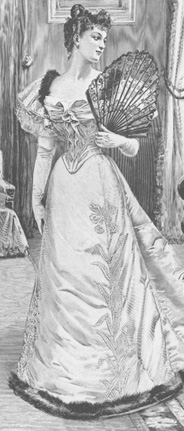
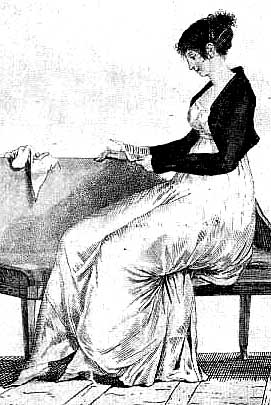
As far as questions and critical thinking go, we might begin with the immediate: why is there so much more information available on the web about Gone With the Wind than about Charlotte Temple? The answer to that question might not be as obvious (or as short) as we are, perhaps, tempted to think. But other questions will, we hope, be raised by these pages. What do different book covers suggest about the ways in which these books might be understood within their historical period? within later times? within our own times? about the ways in which and the audiences for which they were marketed? What can historical contexts--not just historical events, but also other contemporary best sellers, fashion, other contemporary advertising, etc.--add to our understanding of these books? What biographical information about the author may help center or balance our understanding of these books? What is the relationship between the print text and a movie version? Why have so many of these books been turned into movies? How do movies alter any of the questions raised above about marketing, historical contexts, etc.? Why are so many of these books "historical," that is, referring back to earlier times (e.g., is Gone With the Wind a Civil War novel, a Depression novel, or both? is The Age of Innocence a book from the 1920s, best understood within a context of flappers, prohibition, and votes for women, or a book about the 1870s, best understood within a context of American "Victorianism"?)
These are questions just to get you started. We hope that these pages will encourage you to interrogate these texts and their place in the "literary canon."