Event details
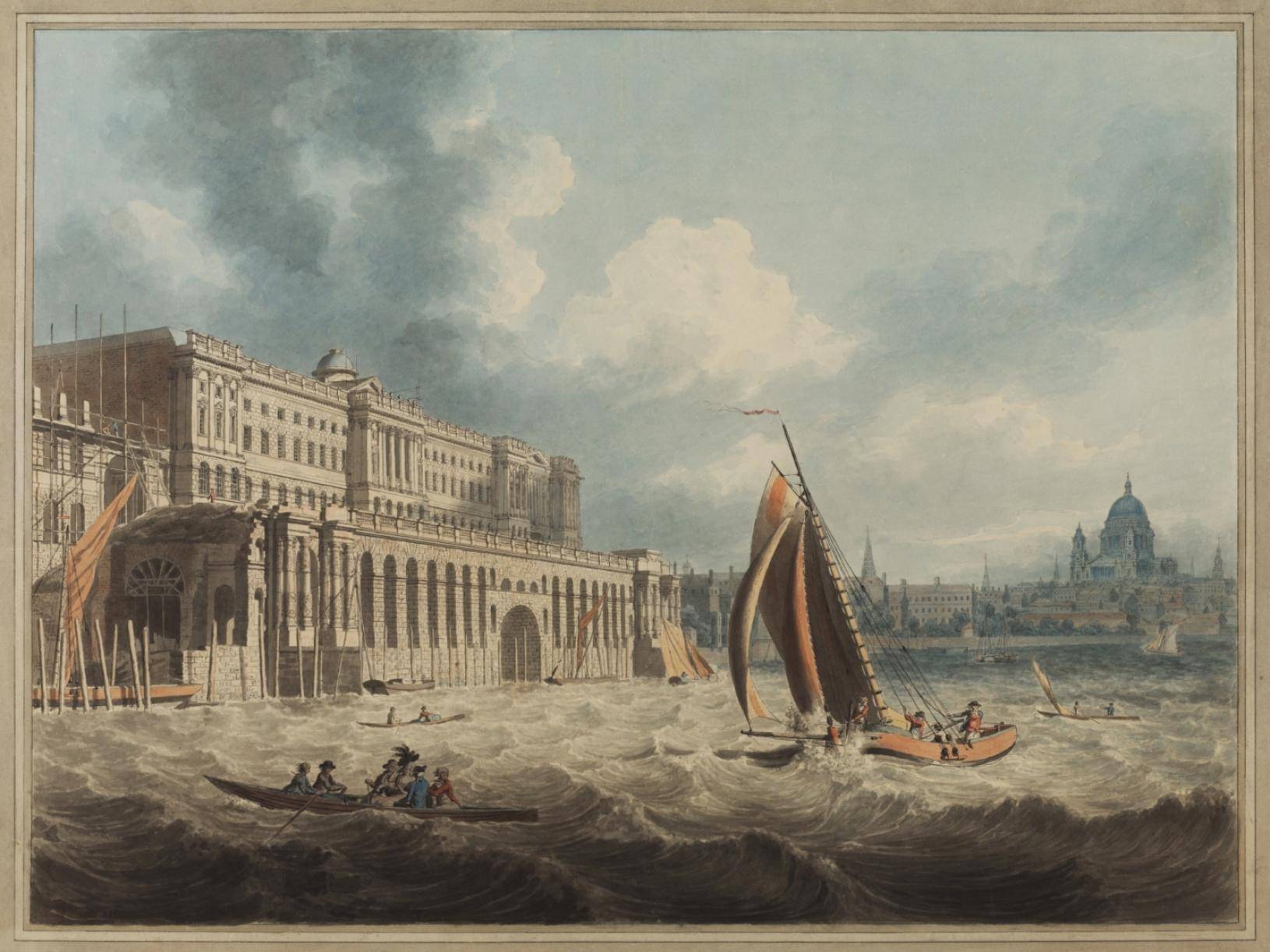
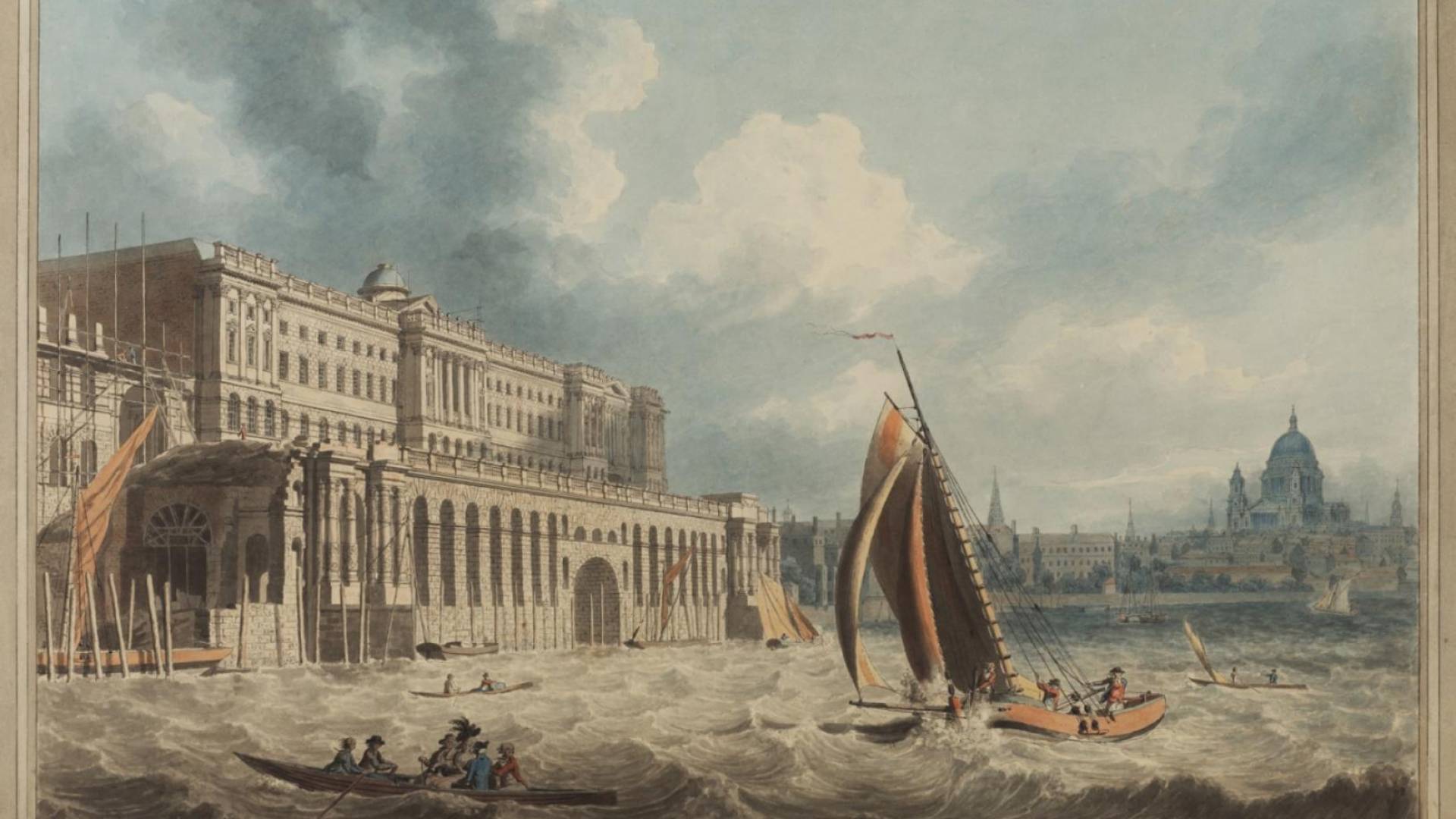
Art and Its Institutions: A View from London's Somerset House
The James F. Haley '50 Memorial Lecture
Abstract:
In the 18th century, Somerset House, the present home of The Courtauld Institute of Art, housed not only Britain’s Royal Navy headquarters, and the offices of His Majesty’s inland and overseas revenue collectors, but also the Royal Academy of Arts and its Great Room – Britain’s first substantial space for the public display of contemporary art - and two other great institutions of the enlightenment, the Royal Society and the Antiquaries. Navy, colonial and trading expansion, money, art and science sat together for fifty years in an unproblematised physical collective.
Today, The Courtauld is in process of simultaneously restoring and, with careful surgical intervention, modifying Somerset House’s apparently palatial North Block, as part of a larger institutional transformation project. Such projects inevitably demand that an institution look both backwards to its heritage of interconnected histories and forwards, as it articulates its institutional aspirations.
The Courtauld itself was founded in 1932 with an ambition to understand and teach the arts of the world. After a period in which the institution’s focus was more specialised, we once again embrace that ambition. Our founder, Samuel Courtauld, was also determined that the arts should be enjoyed by all. His intention, translated into the contemporary context of the post-colonial world, has an urgent social and political relevance. But what are the appropriate and effective means of achieving this and how should institutions in the west and the north relate to those in the east and south? This lecture looks at the complex interface of these two ambitions in the context of debates about the changing Indian art world and its relationship with Britain.
University programs and activities are open to all eligible participants without regard to identity or other protected characteristics. Sponsorship of an event does not constitute institutional endorsement of external speakers or views presented.
View physical accessibility information for campus buildings and find accessible routes using the Princeton Campus Map app.