Event details
Modeling MOF-Based Catalysis and Water Harvesting
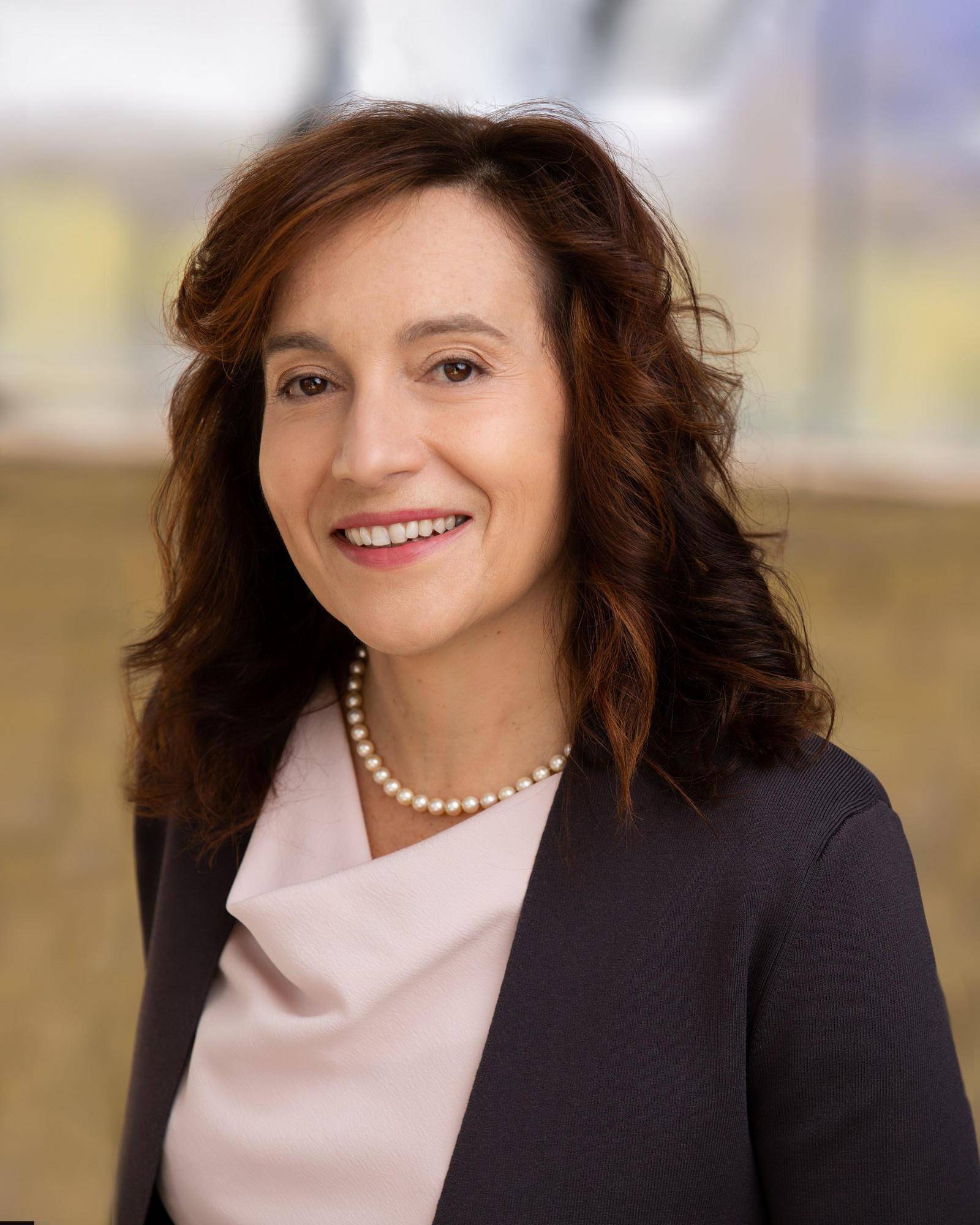
Metal-organic frameworks (MOFs) are versatile platforms with tunable catalytic activity for complex reactions. We try to understand the activity of MOF-based catalysts for reactions related to natural gas conversion, e.g., catalytic oligomerization of abundant C1, C2, and C3 hydrocarbons to longer congeners, or their selective oxidation to alcohols or other fuel molecules. Modeling these species poses enormous challenges from a theoretical and computational perspective. I will describe our latest results in modeling light-alkane hydroxylation over Fe-based MOFs [1]. I will also discuss our ongoing combined computational, data-science approach, in collaboration with experimentalists, to understand and design the water-filling mechanism for water-harvesting MOFs.[2]
[1] M. C. Simons, S. D. Prinslow, M.Babucci, A. S. Hoffman, J.Hong, J. G. Vitillo, S. R. Bare, B. C. Gates, C. C. Lu, L. Gagliardi, and A. Bhan, Beyond radical rebound: methane oxidation to methanol catalyzed by iron species in metal–organic framework nodes, J. Am. Chem. Soc., 143, 12165–12174 (2021)
[2] N. Hanikel, X. Pei, S. Chheda, H. Lyu, W. Jeong, J. Sauer, L. Gagliardi, and O. M. Yaghi, Evolution of water structures in metal-organic frameworks for improved atmospheric water harvesting, Science, 2021, 374, 454–459.

University programs and activities are open to all eligible participants without regard to identity or other protected characteristics. Sponsorship of an event does not constitute institutional endorsement of external speakers or views presented.
View physical accessibility information for campus buildings and find accessible routes using the Princeton Campus Map app.