Treasured ‘third spaces’ on campus help students contemplate, connect and find community
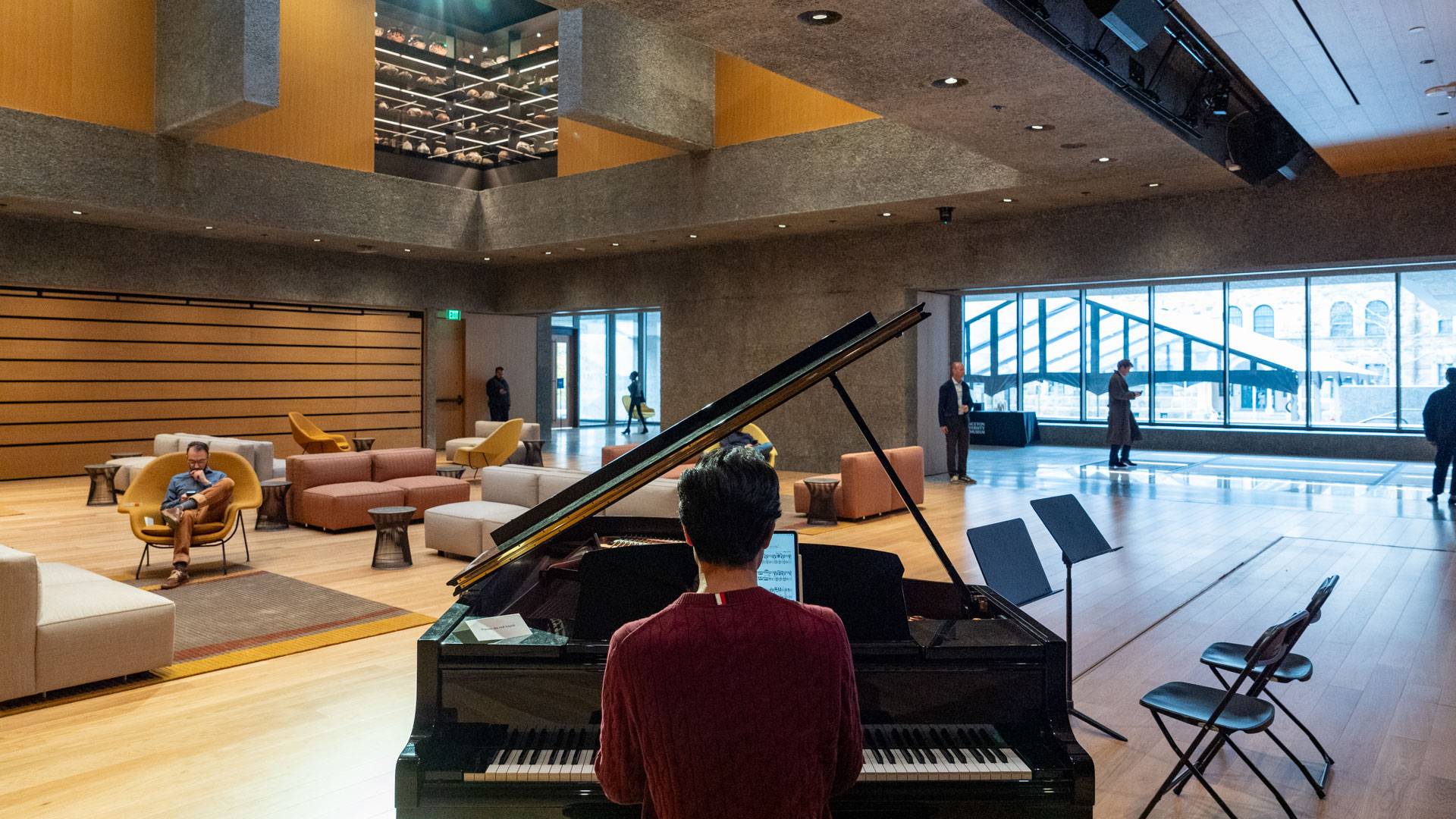
The Grand Hall in the Princeton University Art Museum is one of the welcoming new "third spaces" on campus where students can go to study, catch up with friends, or simply enjoy a quiet moment to themselves.
When Princeton sophomore Khadija Ndiaye has a break between classes, you can often find her in the New College West Commons working on her laptop, grabbing a coffee and enjoying the light from the floor-to-ceiling windows that look onto Poe and Pardee Fields.
“The view is like a dose of Vitamin D for my day,” Ndiaye said. “It’s also a wonderful spot for running into people — you always find someone you know.”
Ndiaye doesn’t live in New College West (NCW), but she loves that the vibrant community room is open to all students, making it the perfect spot for serendipitous connections.
It’s one of her favorite “third spaces” on campus — a place outside of classrooms (work) and dorm rooms (home) where students feel welcome to study, catch up with friends, enjoy a meal, discover something or someone new, or simply have a quiet moment to themselves during their otherwise busy days.
“Third spaces invite visitors to enter and invite visitors to stay,” said Ndiaye, who is a fan of third spaces in general, not just at NCW. Indeed, she wrote her Freshman Seminar paper on how third spaces (specifically those where coffee is enjoyed) have been part of varying cultural and social rituals for centuries.

The soaring, glass-walled atrium inside the Carl Icahn Laboratory is a popular meeting and study spot for students in between classes.
From colorful residential college common rooms to airy academic atriums and cozy library nooks, an assortment of third spaces abounds on campus, including new community spaces inside the Princeton University Art Museum, Frist Health Center and the ES + SEAS complex.
As reading period and final exams begin, we look at some of the many places where students can go to contemplate, connect and find community.
Isabella McCosh Garden Room
When the Frist Health Center opened last January, students quickly discovered its winter garden as a new favorite spot to study, meditate or just chill.
The bright room envelops visitors with greenery, with plants of all sizes hanging from the ceilings and rising tall from large planters along the floors. Sunlight filters through decorative metal sunshades on the large windows, creating shadows across the wall, while curved wicker chairs invite visitors to sit and stay.
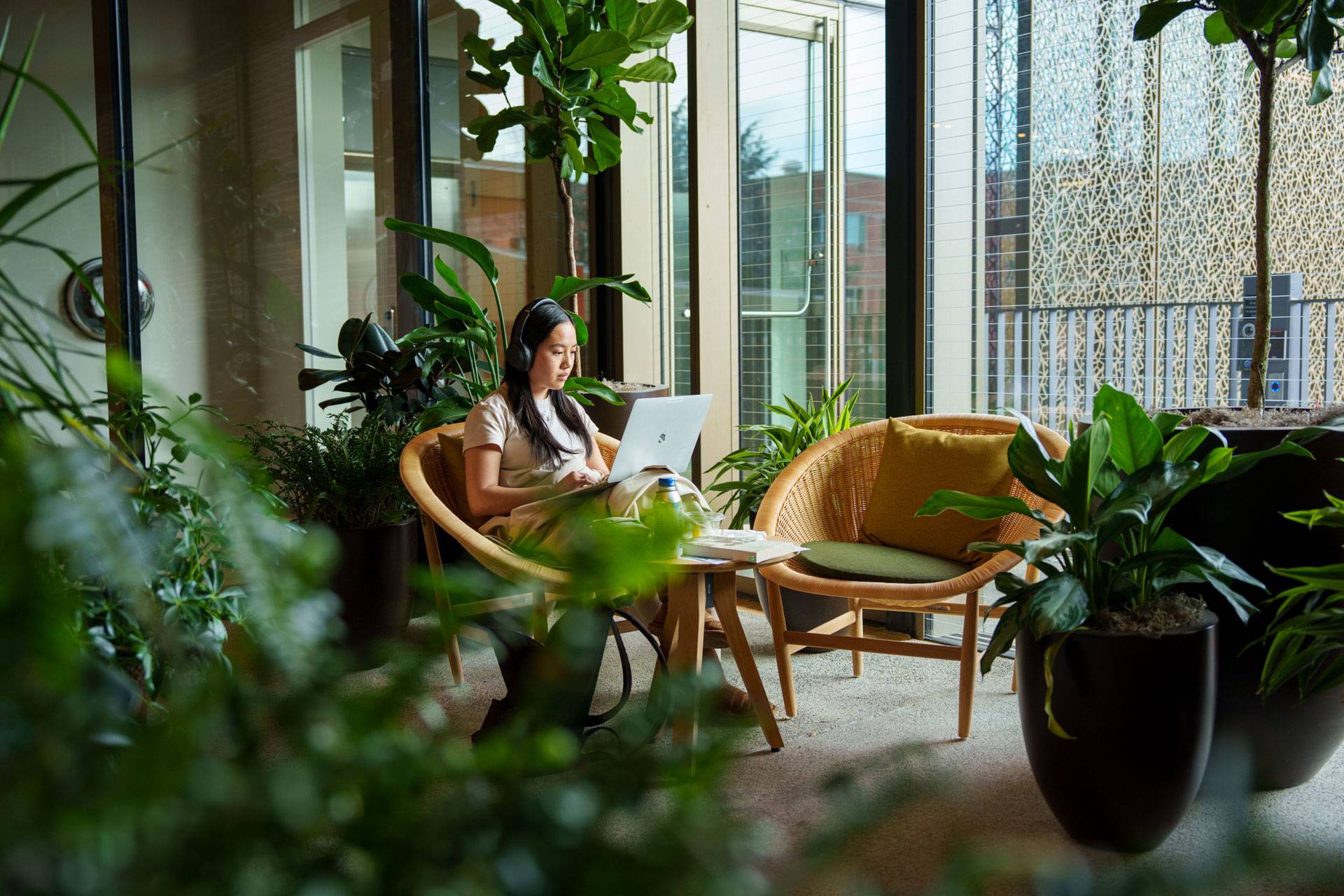
The Isabella McCosh Garden Room in the Frist Health Center is open to anyone at the University seeking a quiet moment to themselves.
“We want students to have access to the natural environment throughout our building,” said University Health Services Executive Director John Kolligian, noting that natural light and connections with nature can be beneficial to the body and mind.
“The Frist Health Center was designed and built with health and well-being in mind — designed to create a warm, welcoming, healing and inviting environment for students,” Kolligian said. “It is to be a place not only for the ill, but also for the healthy and well.”
Chancellor Green
Built as a library in 1873, Chancellor Green is now a multipurpose event space that’s also beloved by students and faculty as a serene reading room. Its octagonal design, stained glass windows, soaring cupola, wooden bookshelves and soft leather armchairs make it the perfect campus hideaway.
“I always say that Chancellor Green feels like a warm hug,” said Imaan Ansari, Class of 2029.
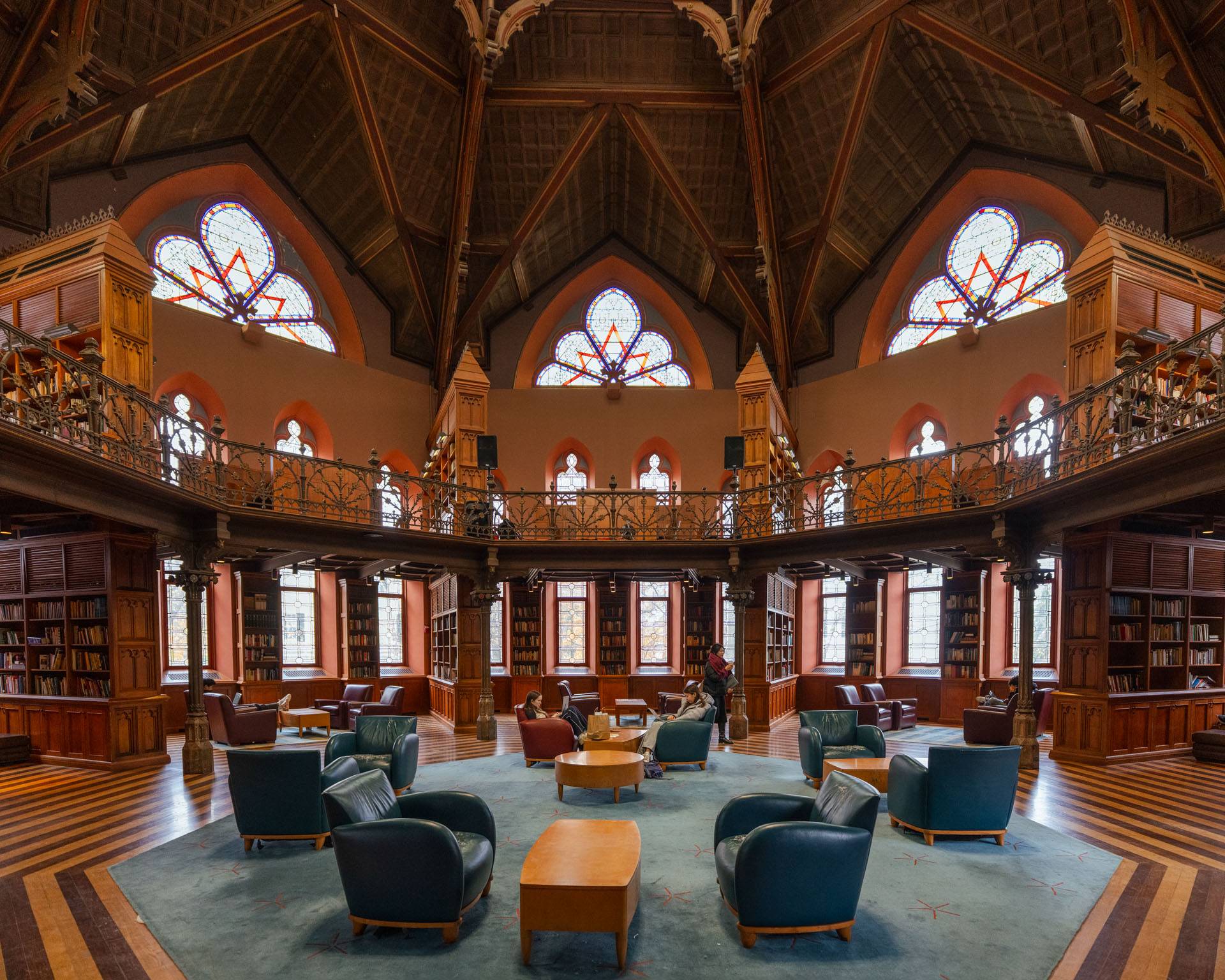
The dark wood interiors and unique octagonal layout make Chancellor Green "feel like a warm hug," says first-year student Imaan Ansari.
On a recent chilly afternoon, Ansari sat on a couch in a corner of Chancellor Green next to first-year Daphne Lewis. The friends live in Forbes College and say they use Chancellor Green as a waystation of sorts.
“I have five classes on Mondays and this is my favorite place to stop during a long day without having to walk back to my dorm,” Lewis said. With its soft natural light, warm interiors and whisper-quiet decibels, Chancellor Green is also the ideal spot to take a quick nap, she said.
Princeton University Art Museum
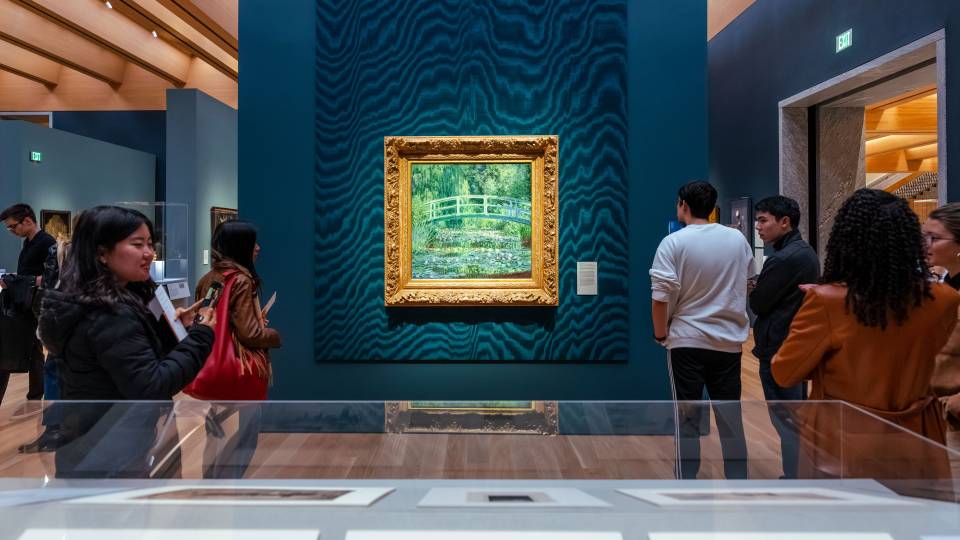
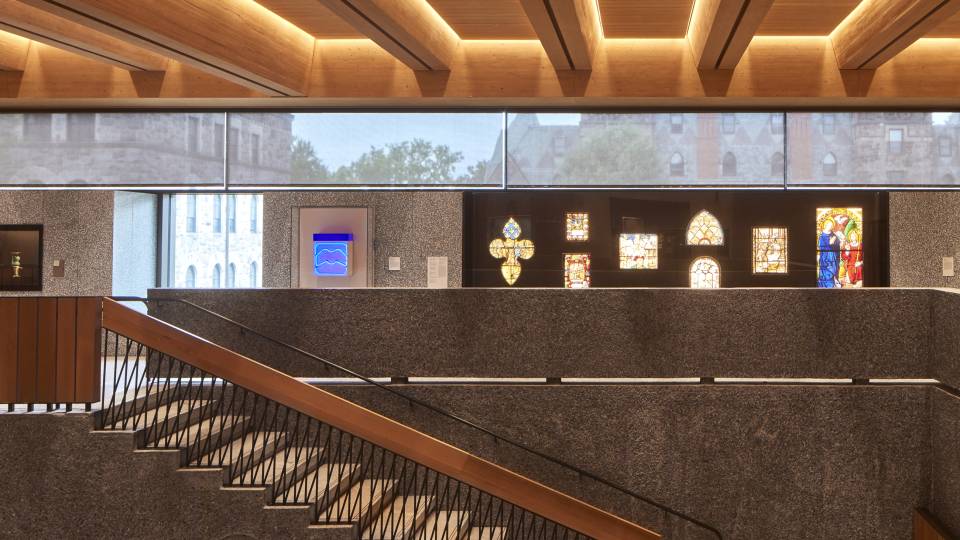
The new museum — with its interconnected pavilions, sunny outdoor terraces and convenient “artwalk” passages across campus — was designed as a space that encourages “accidental encounters,” said James Steward, the Nancy A. Nasher-David J. Haemisegger, Class of 1976, Director of the Princeton University Art Museum. He hopes visitors from the campus and the community will connect with the art and with each other.
“We wanted to create a third space that has more meaning, where you may have an encounter with somebody who is perhaps of a different age or a different life experience than you,” Steward said. “The art might pull you out of yourself and out of your own world for long enough to say, ‘Wait a minute, what's going on there?’ And then maybe something else happens during that moment and you start having a conversation about the art with someone who is in the gallery with you.”
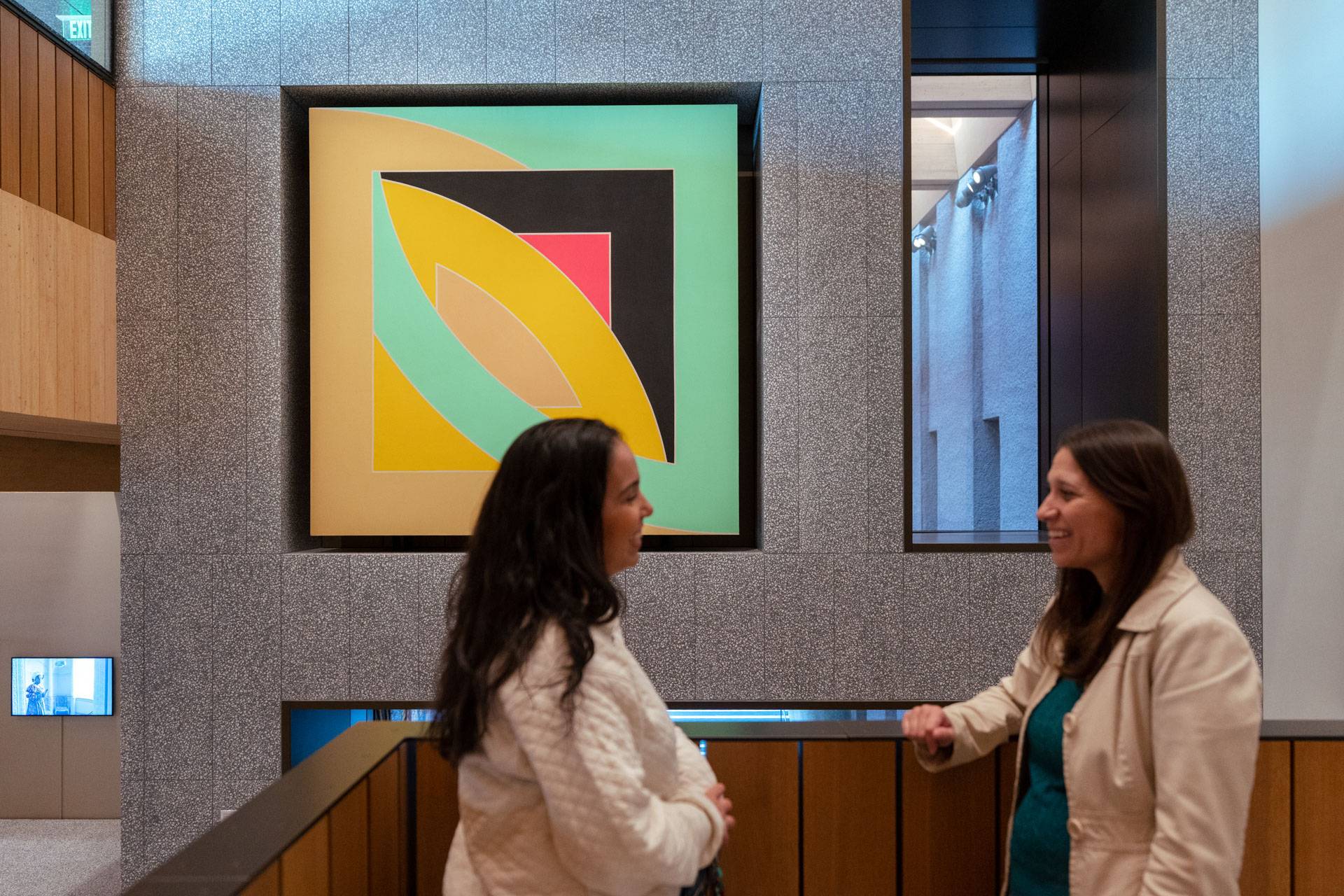
The new Princeton University Art Museum encourages "accidental encounters" with the art and with other people, bringing together students, faculty, staff and the public in one place.
Students are especially encouraged to make the museum their own space. The artwalks, Grand Hall and airy second-floor Orientation Gallery offer places to sit and read in the presence of magnificent art, and they’re open from 8 a.m. to 10:45 p.m. daily, well beyond typical museum hours.
Ian Liu of the Class of 2027 likes to sit on a couch in the Grand Hall reading for class or working on an assignment. “The Art Museum is a more productive space for me. It’s creativity-inducing,” said Liu, who is majoring in the School of Public and International Affairs and pursuing minors in classics, history and Hellenic Studies. “I can sit here and look up and see Grecian pottery. It’s a real novelty.”
Commons Library
The Commons Library opened in the fall as part of the new home for environmental studies and School of Engineering and Applied Science (ES + SEAS). The Commons is an interdisciplinary library space designed to connect people and information across fields of study, not just within ES + SEAS.
“The intention is to have something here for everyone,” said Corina Bardoff, manager of Commons events and programming for the Princeton University Library. “We think of it as a curiosity-driven crossroads space.”
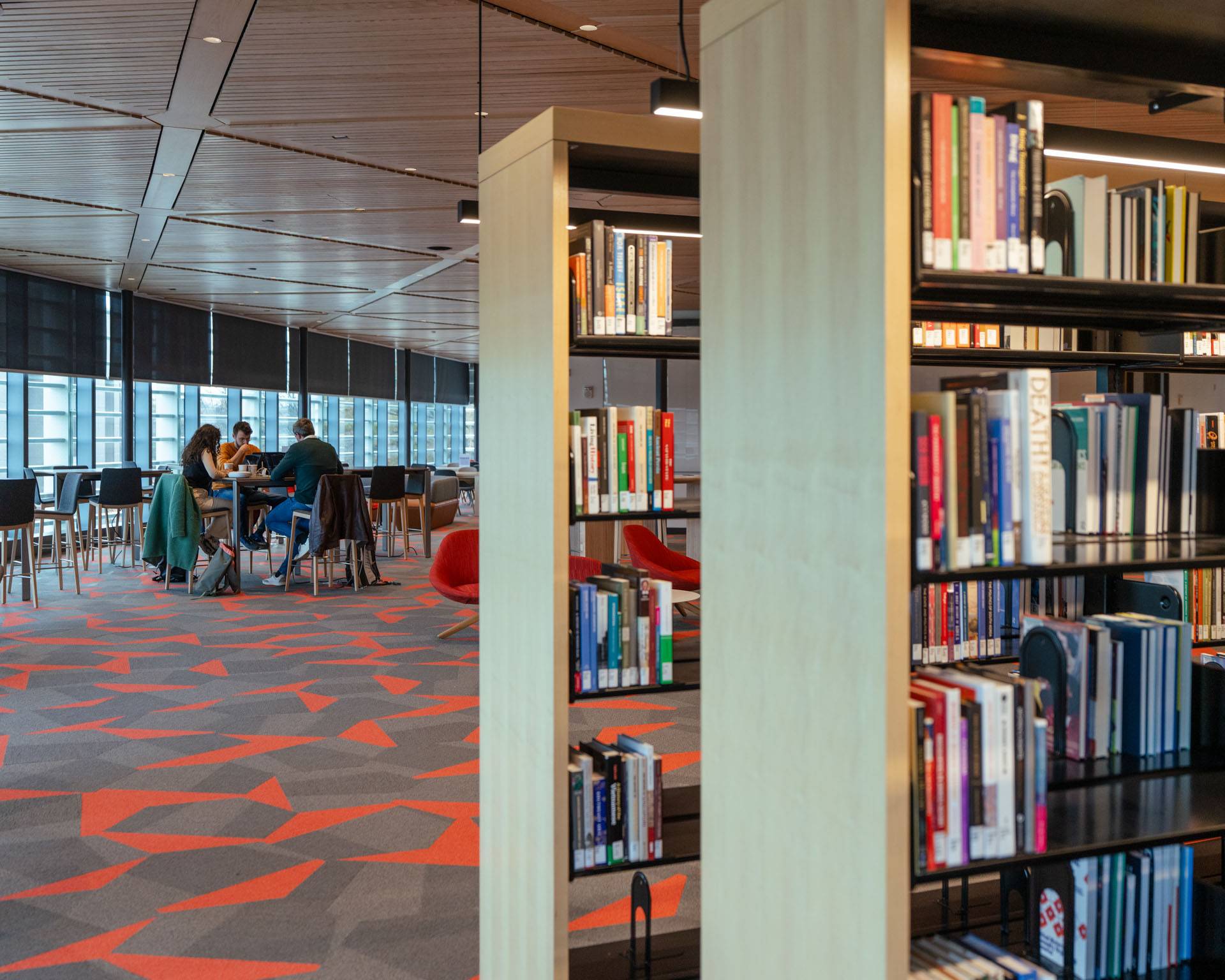
The second floor of the new Commons Library encourages students to talk and collaborate with one another.
The building includes 10 study rooms across its three floors, a large second floor with flexible furniture and a collaborative space called the Curiosity Studio, and a quiet, light-filled third floor called the Oasis. Large windows offer sweeping views of Princeton Stadium.
“I have a lot of classes in Briger Hall and the Commons has become my primary study spot this semester,” said Advik Eswaran, a geosciences major in the Class of 2027. “It's bright, it's open and there are plenty of comfortable places. I prefer working in academic buildings where you get the energy of other students and professors passing through.”
With a curated collection of resources referred to as “accessible fundamentals” to spark discovery, the Commons Library is currently open 10 a.m. to 5 p.m. weekdays, with expanded evening and weekend hours planned for next semester. The library will host official grand opening events tied to international “Love Data Week,” Feb. 9-13, 2026.
Residential college and graduate student common and dining spaces
Residential common rooms are the original third spaces on college campuses, offering students a comfortable and easily accessible place to study and socialize.
At any given hour of the day or night, you can find undergraduates and graduate students enjoying the common room where they live, whether it’s under the vaulted ceilings of the Rockefeller or Mathey common rooms or in the light-filled, contemporary commons at Yeh College or New College West.
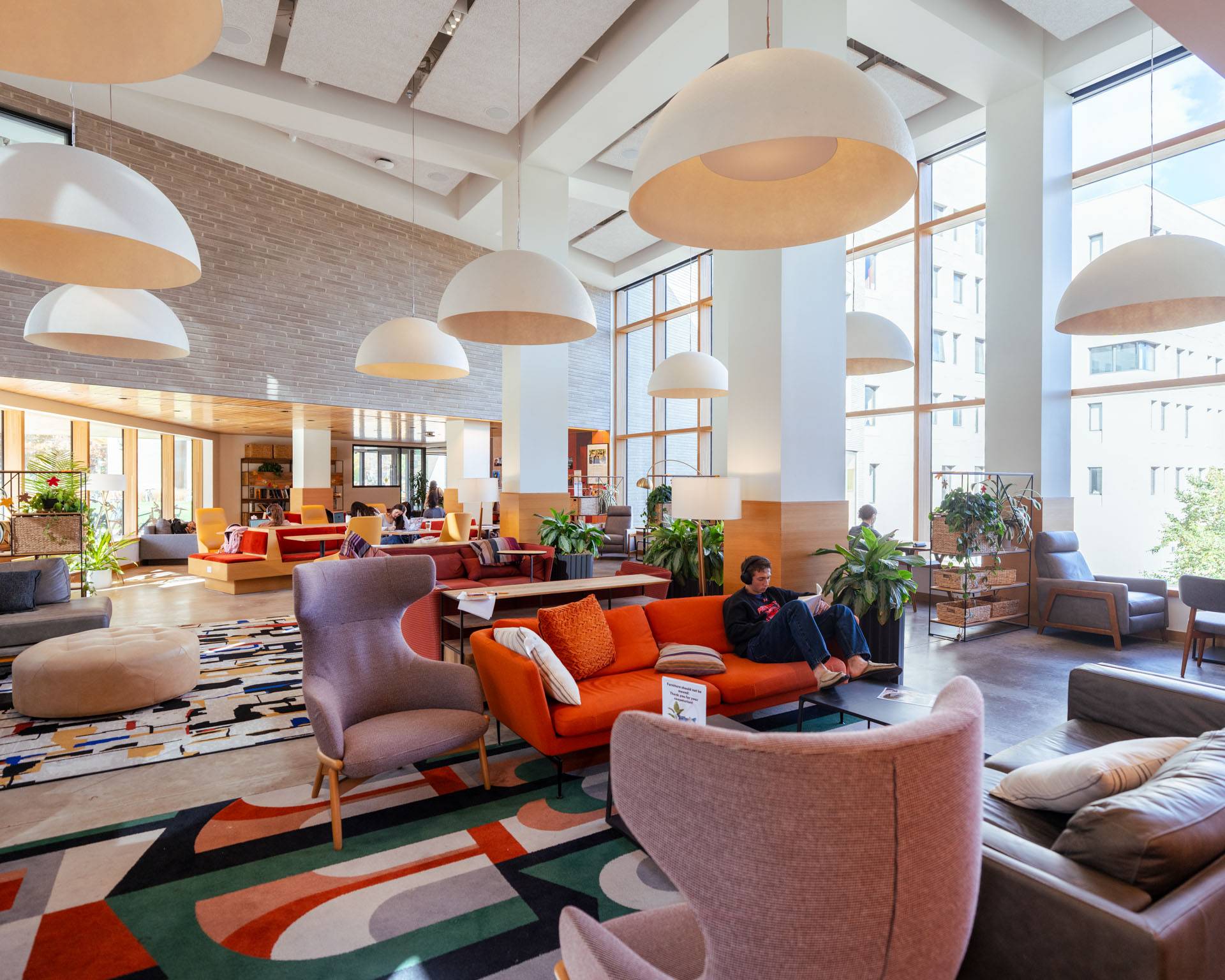
Yeh College's Grousbeck Hall Common Room is a vibrant space with colorful carpets and furniture and large windows.
The campus’s newest residential common spaces, at the Meadows Apartments across Lake Carnegie, offer a variety of activities for graduate students and their families. The apartments include a large community room, children’s playroom, community garden, study rooms and outdoor barbecue.
The window-filled common room looks out on the green courtyards, wooded trails and athletic competition fields that make up the 85-acre Meadows Neighborhood along Washington Road, reflecting the neighborhood’s focus on nature and sustainability.
“The common spaces are a great place to work or hang out! The social events at Meadows are a great way to stay in touch with the community even during busier times of the semester, and I've met many cool people who I wouldn't have run into otherwise,” said Alicia Zhang, a Ph.D. candidate in economics.
Graduate students can also enjoy a shared meal with friends at the Graduate College’s Procter Hall, one of Princeton’s most distinctive dining halls.
Reflecting the Graduate College’s traditional Gothic-style architecture, Procter Hall features long wooden tables under bright-bulbed chandeliers where students gather for daily meals, Sunday brunches and graduate community gatherings like the recent Thanksgiving dinner.
Procter Hall also hosts graduate High Tables, a tradition going back to the earliest years of the Graduate School. Graduate students learn and discuss scholarly topics with faculty members at Wyman House before heading to Procter Hall to enjoy a formal dinner together, helping to foster the vibrant academic community at the heart of student life at Princeton.
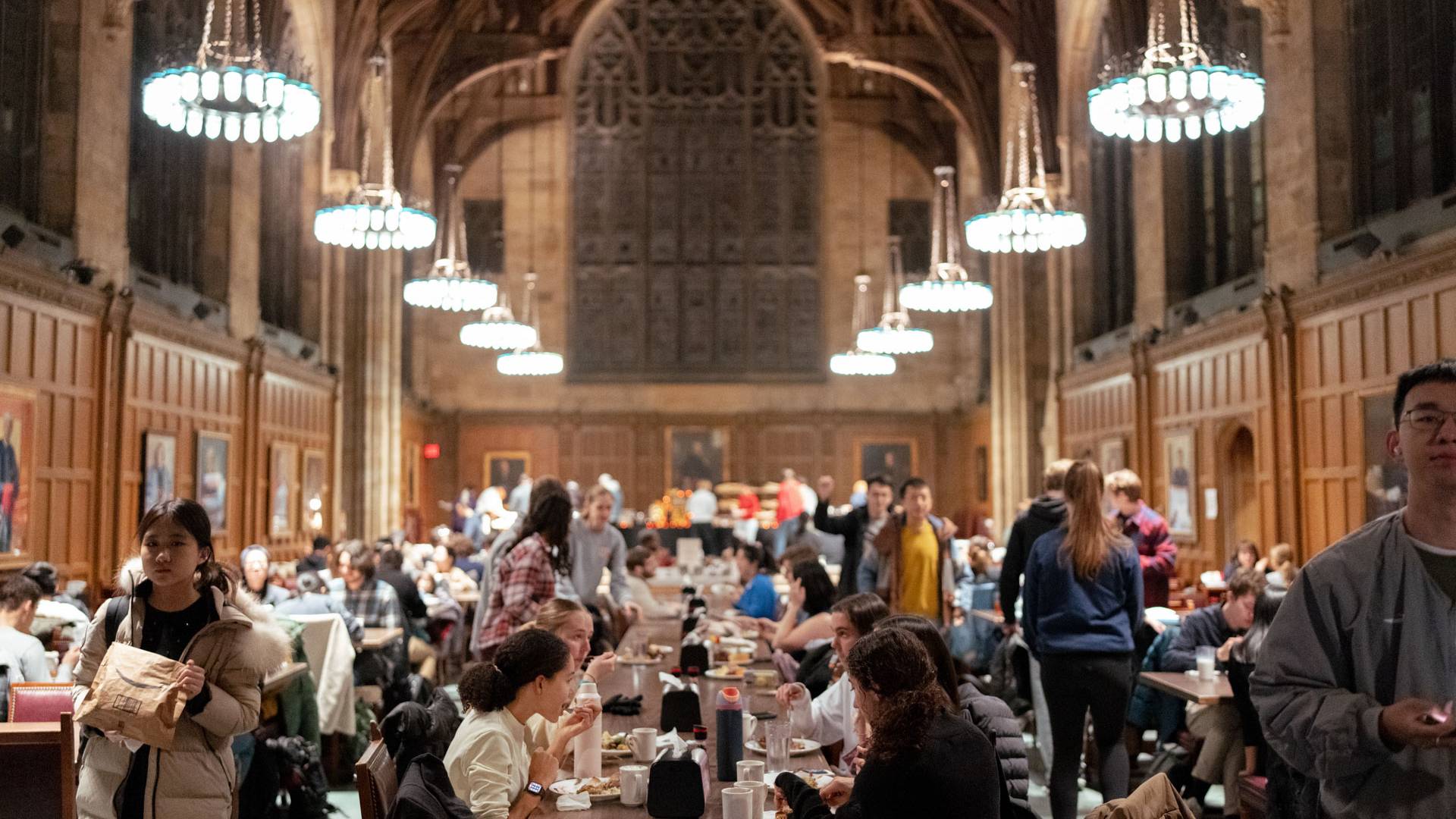
Procter Hall reflects the Graduate College’s traditional Gothic-style architecture. Graduate students recently enjoyed a special Thanksgiving dinner at the historic dining hall.
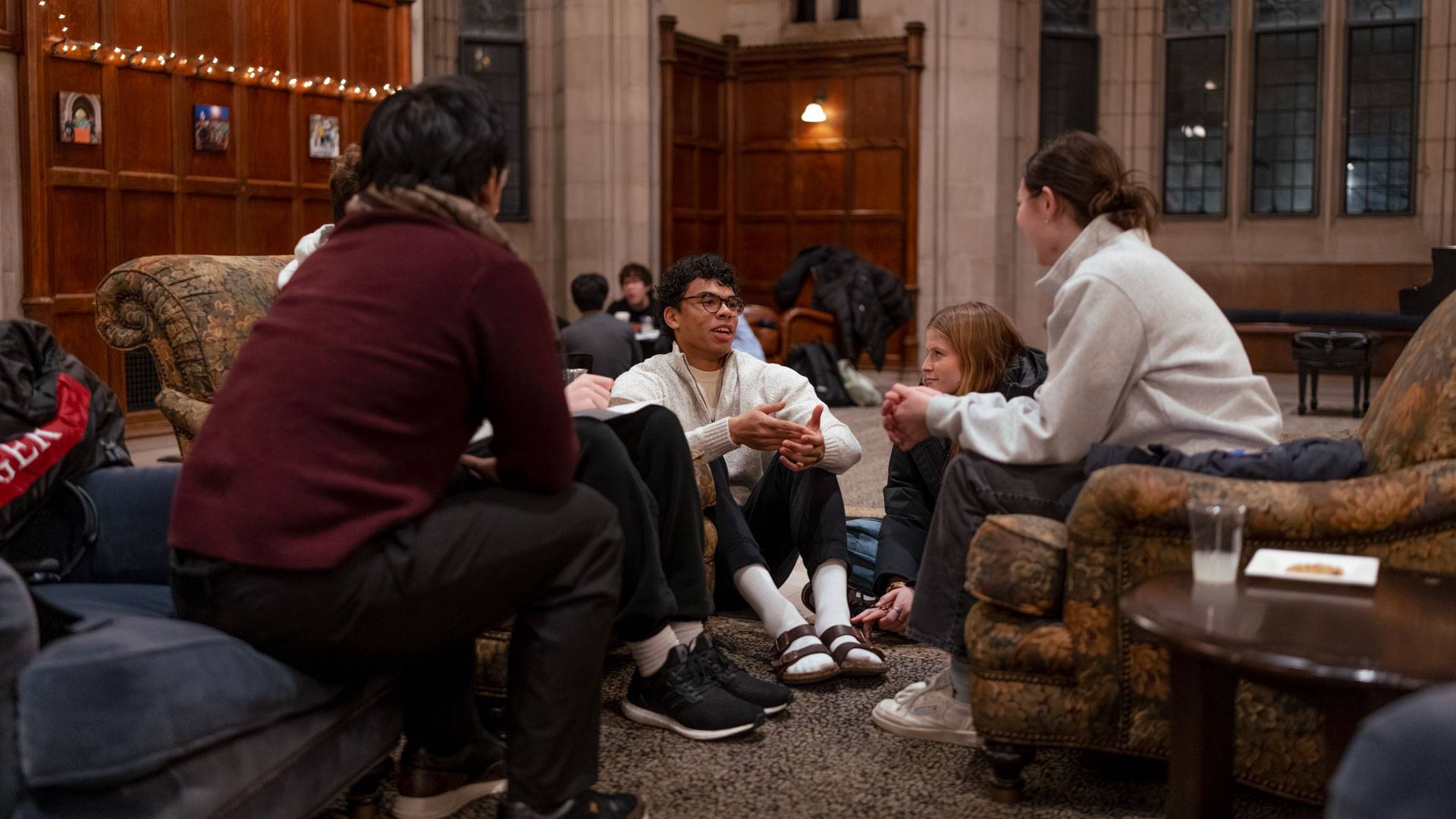
Residential common rooms are the original third spaces on college campuses, offering students a comfortable and easily accessible place to study and socialize. Team trivia nights are popular at Rockefeller College Common Room.
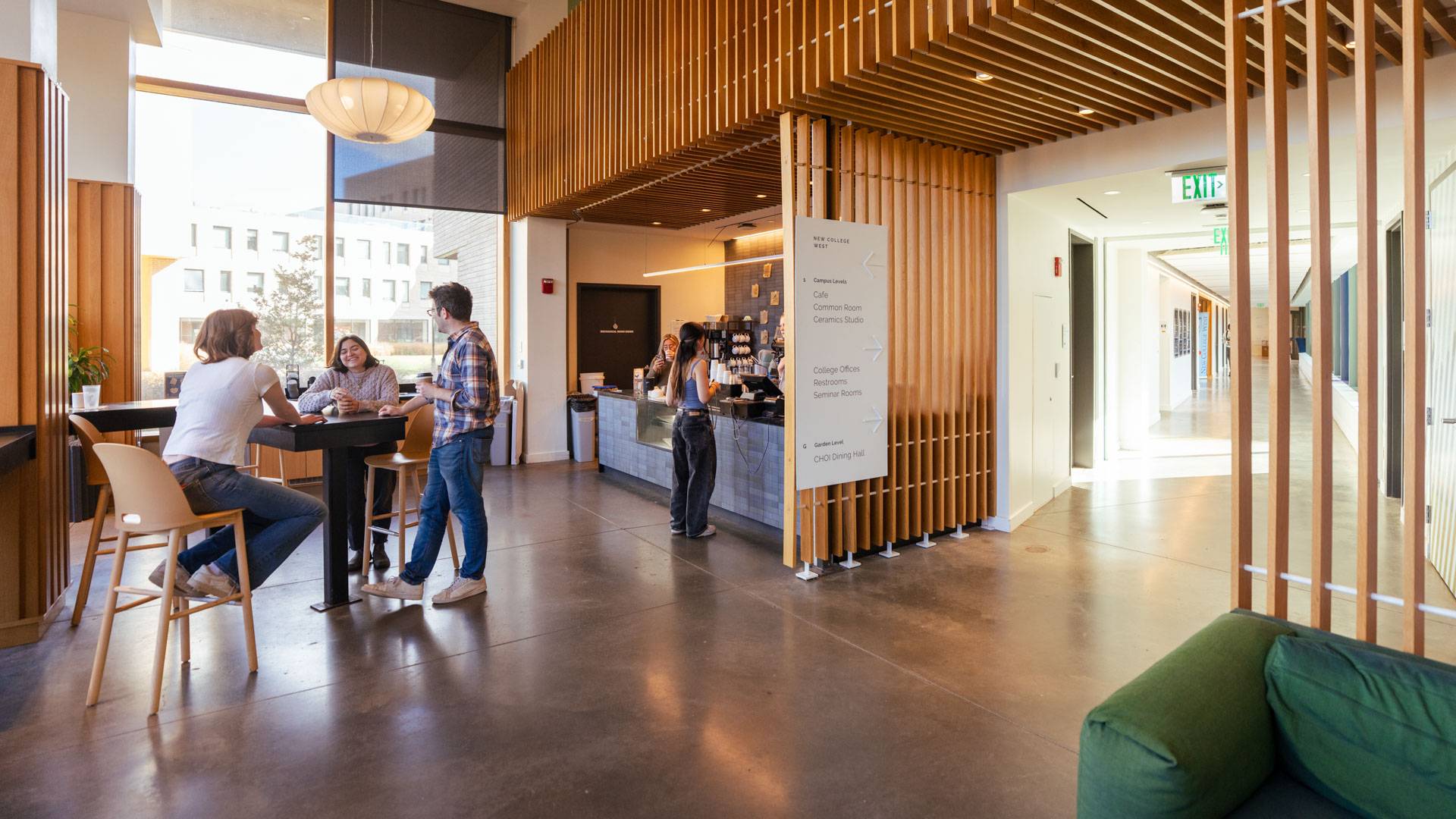
The New College West Commons attracts undergraduate and graduate students from across campus as one of the Coffee Club's two locations.