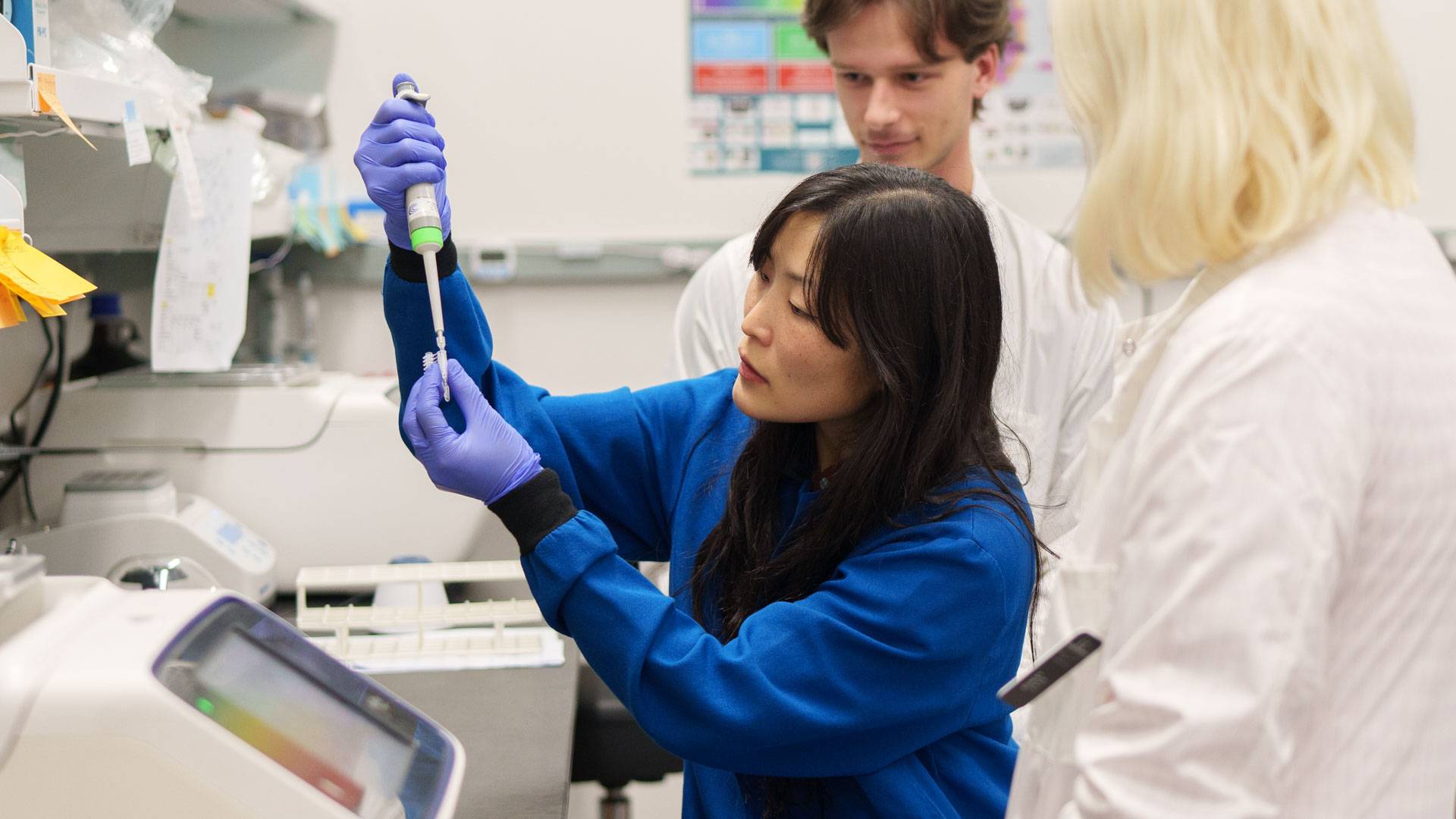
Biomedical research is surging at Princeton University
New insights into the link between cancer and metabolism. Stunning progress toward biomedical sensors that will revolutionize how doctors keep track of our health. Data-driven breakthroughs in understanding the complexities of human illness and well-being.
Across the Princeton University campus and beyond, groundbreaking biomedical advances are emerging from interdisciplinary partnerships among brilliant scholars — each bringing their individual gifts to the toughest medical questions.
“Biomedical research is surging at Princeton,” said Dean for Research Peter Schiffer, “and the University’s investments are yielding extraordinary progress.”
“We’ve got people doing fundamental discovery, and they’re not stopping there,” said Provost Jennifer Rexford. “In many cases, they are taking the next step in partnership with other institutions — whether that means getting access to data, access to infrastructure, access to clinical trials — to have real-world impact with their work.”
The University’s biomedical surge can feel like a sudden groundswell as state-of-the-art laboratories for the Omenn-Darling Bioengineering Institute and the Department of Chemical and Biological Engineering open on Ivy Lane, and as partnerships blossom with industry and world-class clinicians, at Princeton Precision Health and across the campus. In cancer research, the new Weill Cancer Hub East augments flourishing collaborations with Ludwig Cancer Research and the Rutgers Cancer Institute.
But the roots go back years — in many cases, decades — deeply grounded in the University’s commitment to fundamental, curiosity-driven research and interdisciplinary collaboration. The University has made bold and sustained bets on biomedical research, from building new facilities to hiring innovative thinkers, many of whom straddle multiple disciplines.
And now, “with more faculty and more biomedical research than ever before, there is a growing recognition that the expertise of Princeton basic scientists can make a contribution to significant problems in healthcare,” says physician-scientist Daniel Notterman, Princeton’s new vice dean for biomedical and clinical research.
Biomedical marvels in the making
At its most basic level, biomedical research seeks to understand the fundamental processes behind both health and disease — the interactions among cells, tissues, neurons, microbes and the rest. It advances knowledge to improve future care rather than treating patients today. Here is a small sample of the groundbreaking Princeton research now underway:
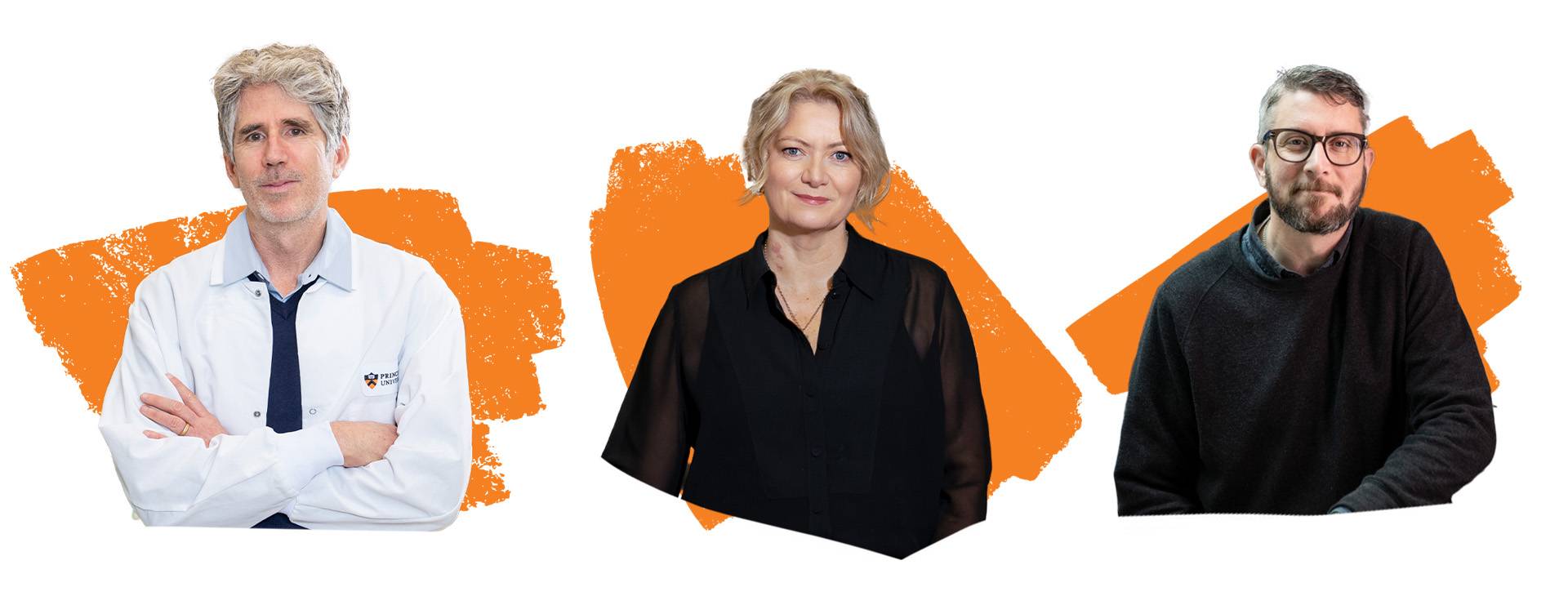
Joshua Rabinowitz, Lydia Lynch and Clifford Brangwynne
- Chemist Joshua Rabinowitz, a leading cancer researcher, is mapping out the connections between diet, metabolism and cancer. Previously, his team demonstrated that a ketogenic (“keto”) diet makes chemotherapy more effective against pancreatic cancer in mice, and he recently found the same effect in humans.
“Keto may not be the ultimate solution, but it shows the potential of this approach,” said Rabinowitz, who co-directs both the Ludwig Cancer Research Princeton Branch and the new Weill Cancer Hub East. “We think that diet can profoundly impact cancer therapy, through the immune system, and we’re at the tip of the iceberg in learning how.” - Lydia Lynch, a cancer immunologist on the Ludwig and Weill teams, is leading a study into a potentially revolutionary treatment for endometrial cancer, which is strongly linked to obesity.
In previous studies, Lynch and her colleagues demonstrated that bariatric treatment eliminated tumors in some patients with endometrial cancer, a fertility-sparing alternative to a hysterectomy. Now, her team is investigating whether GLP-1s are as effective as bariatric surgery at reversing both obesity and cancer growth. - Clifford Brangwynne and colleagues at the Omenn-Darling Bioengineering Institute (ODBI) develop tools and technologies to interact with and build living matter. By engineering the next generation of electrical, optical and chemical technologies, their goal is to sense, control and compute with living cells and tissues, said Brangwynne, who directs the institute.
“It’s absurd to me that my car has dozens and dozens of sensors — tire pressure gauges and thermometers and sensors to know if my kids are in the backseat,” he said, while people just get a blood panel once a year to monitor their own health. “Billions and billions of cells are all doing interesting things, all the time. We need to know that information in real time to monitor trends and changes.”
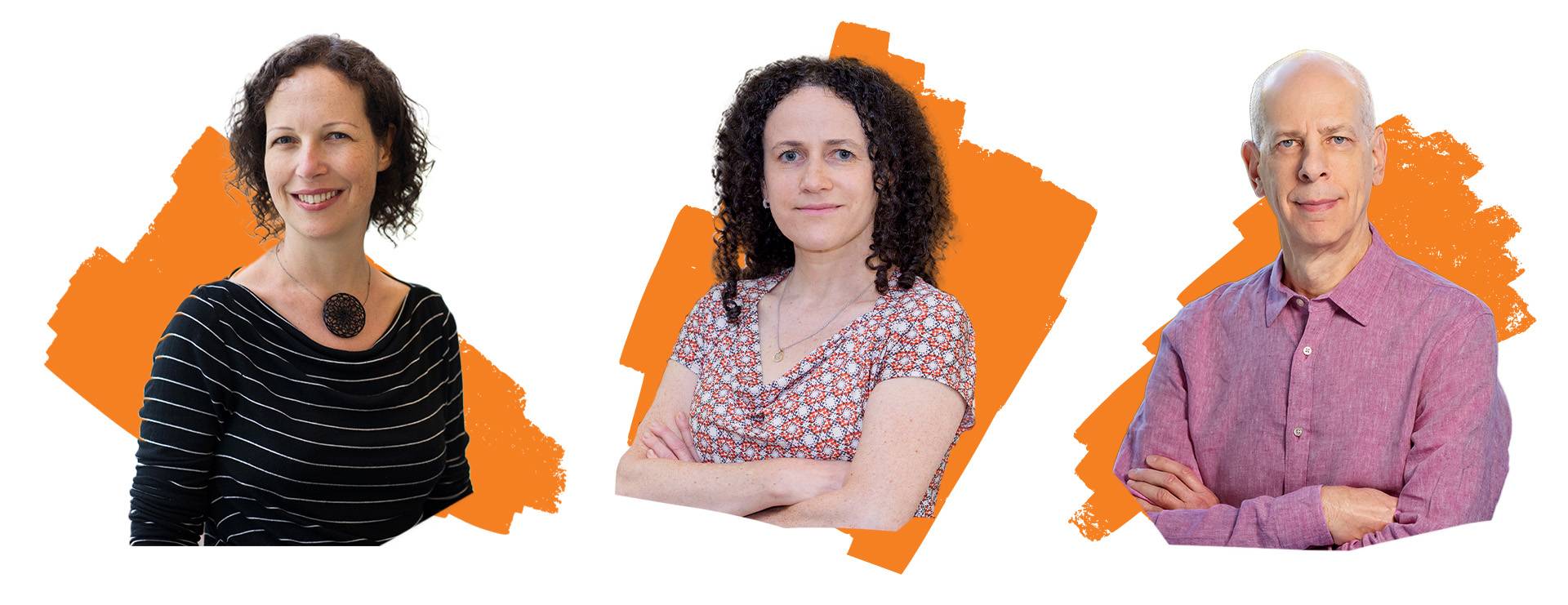
Yael Niv, Olga Troyanskaya and Guillermo Sapiro
- Neuroscientists and psychologists with the Rutgers-Princeton Center for Computational Cognitive NeuroPsychiatry are working to connect mental health disorders to specific functions of the brain — an enormous challenge they are tapping the power of large datasets to solve.
“Psychiatry is so important and yet has so few actual tools for doctors to help patients,” said Princeton computational psychologist Yael Niv, founding co-director of the collaboration with Rutgers University. The relatively new field of computational psychiatry hopes to uncover the neural underpinnings of mental illnesses such as schizophrenia, post-traumatic stress disorder, depression and drug abuse to help develop more effective treatments tailored to each patient’s needs. - At Princeton Precision Health (PPH), a team led by computer scientist and genomics researcher Olga Troyanskaya is using AI‑driven multimodal analysis to unlock how genetics, environment, nutrition and biology interact during pregnancy. They are building predictive models for drug target identification and repurposing that incorporate genetic background, environment, and pregnancy-appropriate safety profiles.
PPH brings together experts in sociology, psychology, computer science, engineering, genomics, environmental science, epidemiology and medicine, to develop AI- and data-driven approaches to integrate immense datasets. Their ambitious goal is to achieve a deep understanding of human health — at the molecular, individual and societal levels. - Another PPH team, led by electrical and computer engineer Guillermo Sapiro, is launching two studies focusing on wearable medical devices that allow the researcher to integrate real-time biomedical information with genomics data and patient histories.
They will follow these patients before, during and after their hospital stays, seeking to predict and improve surgery recovery time and pain management after major surgeries.
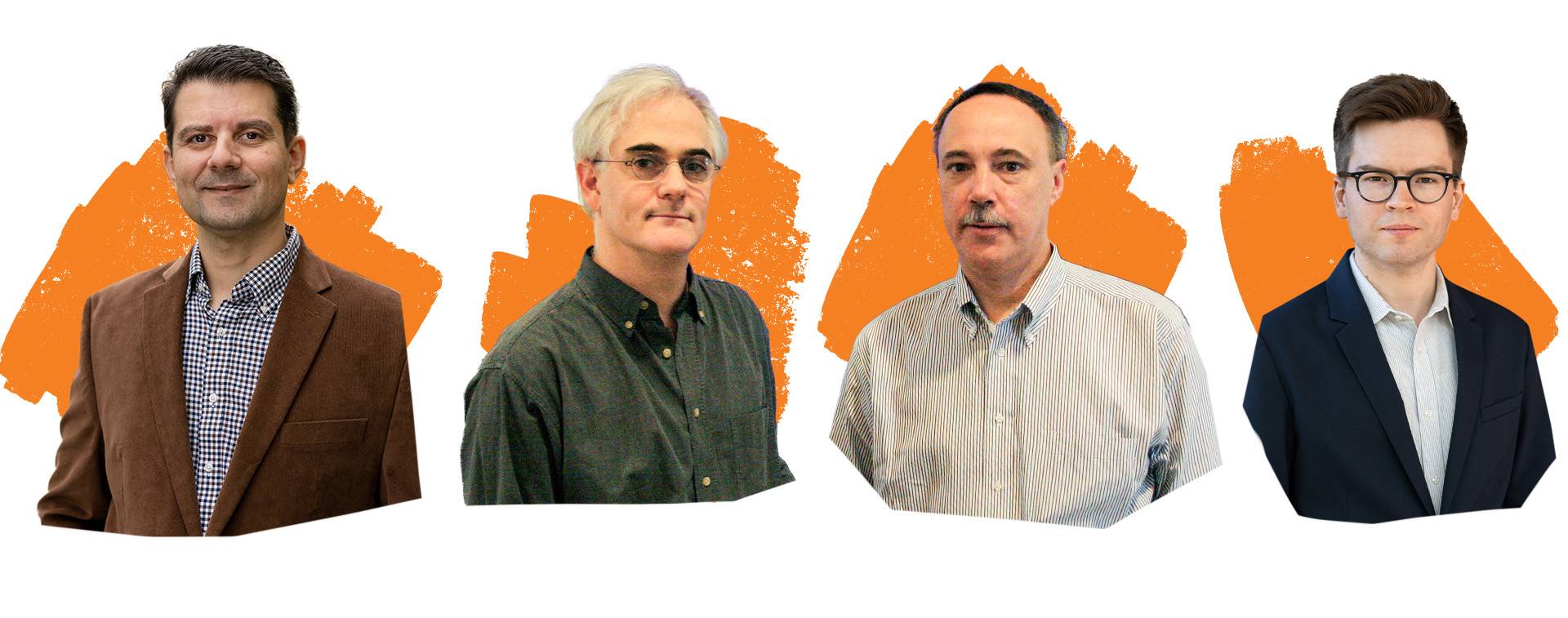
Mark Pinsk, Jonathan Cohen, David Tank and Michael Skinnider
Mark Pinsk, assistant director of the Scully Center at the Princeton Neuroscience Institute (PNI), is studying the neural effects of repetitive blast exposure during heavy firearms training, seeking biomarkers that could help detect and reduce the risk of traumatic brain injury in military personnel. Christina Kim, jointly appointed to ODBI and PNI, is working to separate out the psychologically helpful aspects of psychedelic drugs — such as easing anxiety and depression — from hallucinations, nausea and other unwanted side effects.
PNI, founded in 2005 by Jonathan Cohen and David Tank (shown above in images from the institute's opening), was among Princeton’s earliest cross-disciplinary centers for biomedical discovery. Nobel Prize winner John Hopfield, a leader in the science of neural networks, was one of PNI’s early supporters. Today, PNI’s unified neuroscience program includes faculty jointly appointed in bioengineering, computer science, ecology and evolutionary biology, genomics, physics and psychology.
- Michael Skinnider, a Princeton computational biologist, uses artificial intelligence to predict and discover metabolites — biologically derived small molecules that are often used to create new drugs.
Basic science holds the answer to many of the most pressing biomedical challenges of our day, said Skinnider, who is a member of the Ludwig Princeton Branch and the Lewis-Sigler Institute for Integrative Genomics (LSI). “What is the underlying biology of this disease? What should we be targeting, and how can we target that process?
“I think an institution like Princeton, where you have world-class scientists who are working to understand that biology, with an interdisciplinary and collaborative mindset — I think that’s the means by which these problems are going to be solved.”
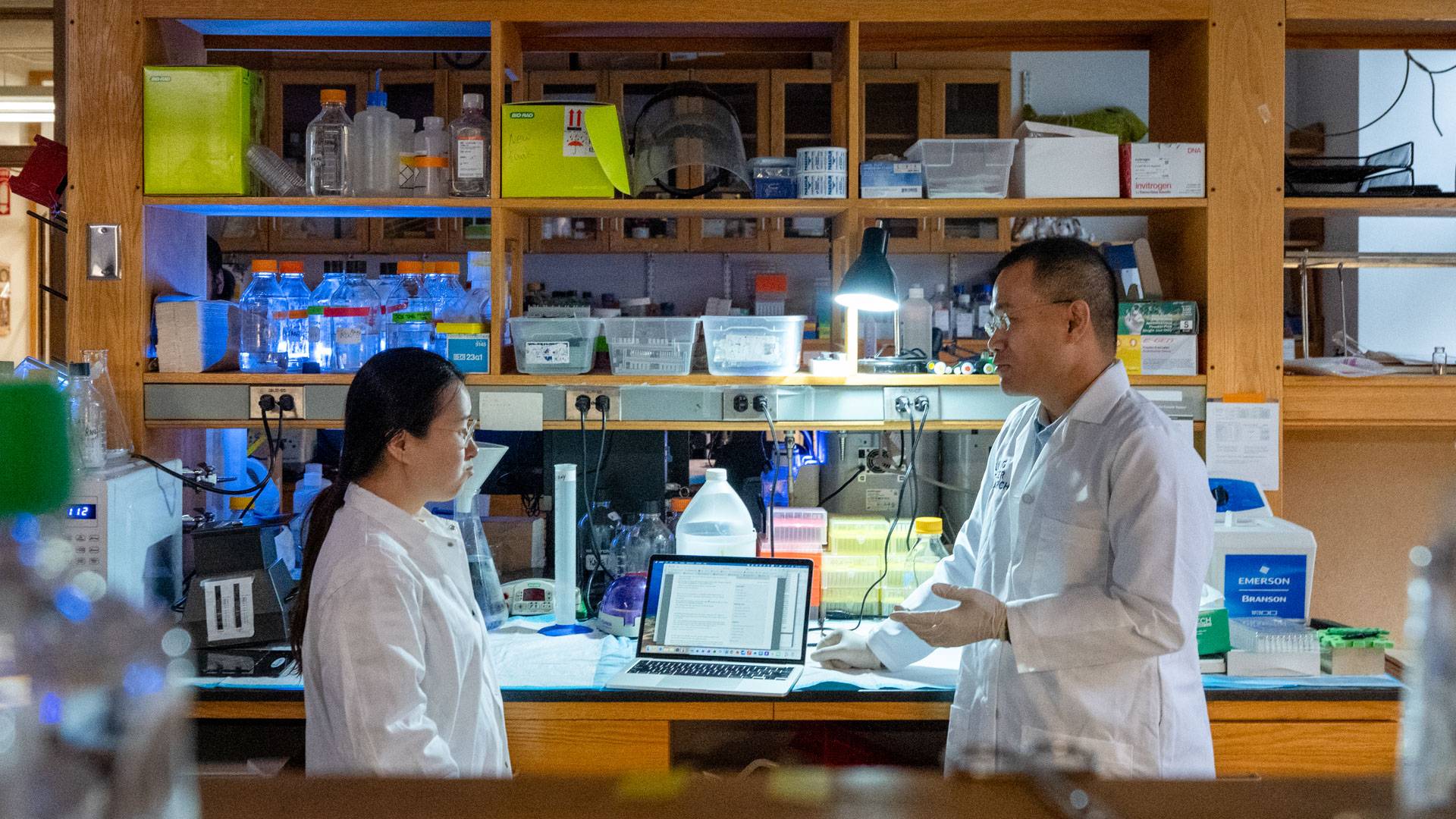
Many Princeton scientists and engineers have opted to create biotech startups to bring their breakthroughs to the public. Princeton’s researcher-entrepreneurs include:
- Cancer biologist Yibin Kang and graduate alumnus Mark Esposito, who have spun out multiple businesses to identify and develop cancer treatments. (Kang is shown at right above with postdoctoral fellow Yujiao Han.)
- Molecular biologist Zemer Gitai, whose team is developing new drugs for antibiotic-resistant urinary tract infections (UTIs) and other infections.
- Neuroscientist Sam Wang, who is working on an iPhone-based diagnostic tool for autism based on his research into the cerebellum.
Nobel Prize-winning chemist David MacMillan has been a prime mover in connecting Princeton scientists to the region’s pharmaceutical research community. In 2017, he and several colleagues created the Princeton Catalysis Initiative to jump-start partnerships across disciplines and with industry. Today, more than 500 collaborations across 12 departments and with six pharmaceutical partners are backed by $100 million in committed funding.
“When you have these two tremendous research communities that exist side by side, it’s almost nonsensical not to build bridges,” MacMillan said.
Behind the surge: “Great neighbors” make great science
Princeton’s surge of biomedical progress stems from that interdisciplinary mindset, Rabinowitz said. “We are tightly connected. I think people don’t worry that much where they fit in the knot, because the neighbors are great in every direction.”
It’s a mindset that reaches back decades, to the afternoon math teas where luminaries like Albert Einstein, Kurt Gödel and John von Neumann would eat cookies and chat about the intellectual challenges of their day. From that rich ecosystem grew the world’s first computers, sophisticated climate models, and the quantum discoveries that powered the next century of development.
By 1998, Princeton had its first interdisciplinary biomedical institute: the Lewis-Sigler Institute, founded by Shirley M. Tilghman, one of the leaders of the Human Genome Project. Tilghman recognized that fully understanding the human genome was the work of a generation and would require the complete spectrum of scientific scholarship. She led LSI for three years before becoming president of the University from 2001 to 2013.
Molecular biologist Coleen Murphy, a renowned expert in the molecular mechanisms of aging, is the current LSI director, in addition to directing the Paul F. Glenn Laboratories for Aging Research.
“Shirley put us all under one roof,” said genomics and gene regulation specialist Michael Levine, who directed LSI from 2015 to 2023. “When I eat lunch, I’m just as likely to sit next to a physicist as a chemist or a molecular biologist. That’s really unique. It’s not a virtual institute, it’s a bricks-and-mortar institute. A lot of people know that Princeton’s great at bringing in tremendous talent, but they might not know that we also put an emphasis — and it’s a rare one — on finding great scientists who are also cooperative and collaborative.”
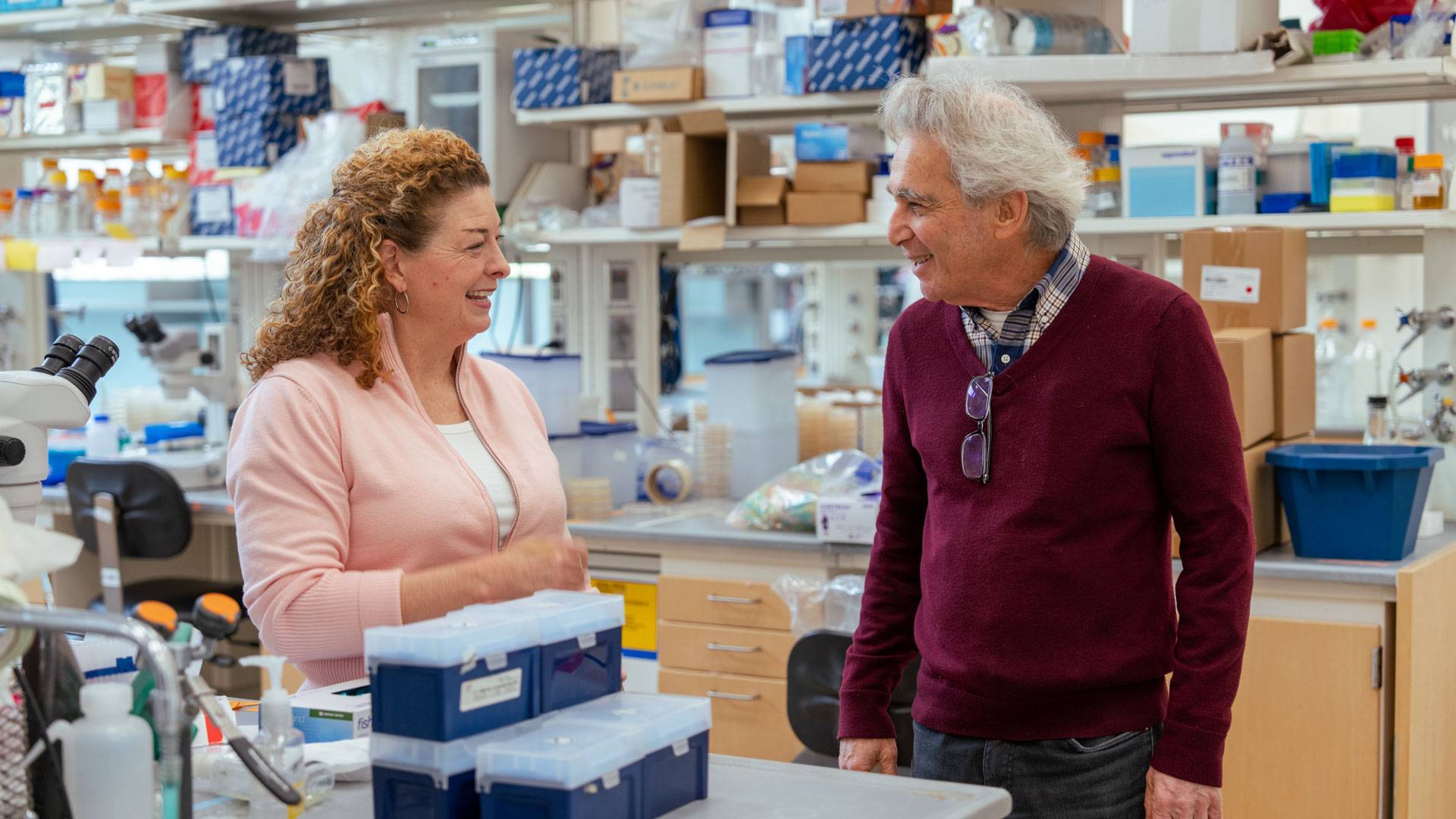
LSI director Coleen Murphy with former director Michael Levine. "A lot of people know that Princeton’s great at bringing in tremendous talent, but they might not know that we also put an emphasis — and it’s a rare one — on finding great scientists who are also cooperative and collaborative,” Levine says.
LSI was envisioned as a hub from which new centers might spin off, and in many ways the surging biomedical ecosystem at Princeton today is the fulfillment of that vision, said Levine. He noted that most of the leaders of the University’s new biomedical institutes spent their entire careers at Princeton, within LSI or collaborating closely with LSI scientists.
“Many of these key faculty members — Coleen Murphy, who’s heading LSI and her own aging institute, Josh Rabinowitz with Ludwig and Weill, Olga Troyanskaya at PPH, Cliff Brangwynne at ODBI — they all started as assistant professors here at Princeton,” Levine said. “That’s really special, not only because they grew up in this environment, but also because it leads to a special loyalty.”
He added that he was an exception, having worked at several universities before coming to Princeton when he was 60.
“If you’ll forgive me a baseball analogy — I’m a baseball nut — you need a bit of both,” Levine said. “You want the homegrown product, because you make an emotional bond with those players. But you also want a few free agents to really pull it together. And Princeton has created a good balance here.”
Surging beyond: Teaching the next generation
Many Princeton undergraduate and graduate students anticipate careers in medicine or biomedical research, and Princeton is uniquely qualified to prepare them, said Dr. Notterman.
“Princeton doesn’t have a medical school, but it has access to the vast troves of data generated by hospitals, by insurance companies, by molecular geneticists. It allows for interdisciplinary collaborations between sociologists, psychologists, molecular biologists, anthropologists and computer scientists.”
Princeton has two formal programs for premedical and medical students: an M.D./Ph.D. program in collaboration with Rutgers University and the Robert Wood Johnson Medical School, and fellowships for students who want to bring the latest biomedical advances to patients, through the New Jersey Alliance for Clinical and Translational Science (NJ ACTS).
“You can’t separate the teaching and research goals of the University,” said Rexford. “Our students get the education they do because they are taught by faculty that are at the cutting edge of their field. And to stay at the cutting edge of their field, these professors are engaging in research, in many cases involving the students directly in the production of that knowledge.”
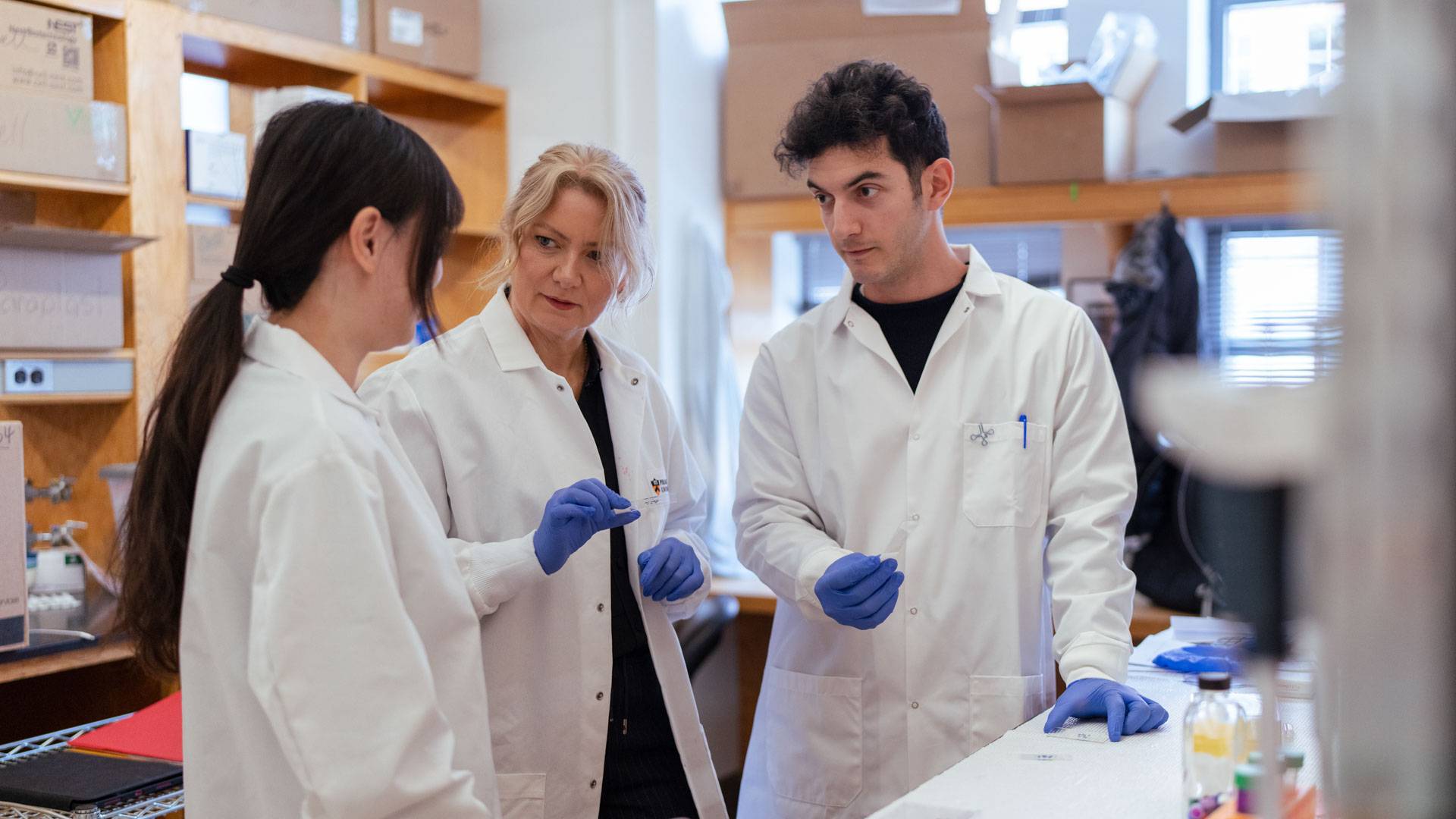
Cancer immunologist Lydia Lynch (center) is leading a study into a potentially revolutionary treatment for endometrial cancer. Here, she confers in the lab with postdoctoral researchers Yu-San Kao (left) and Nicolò Bancaro.
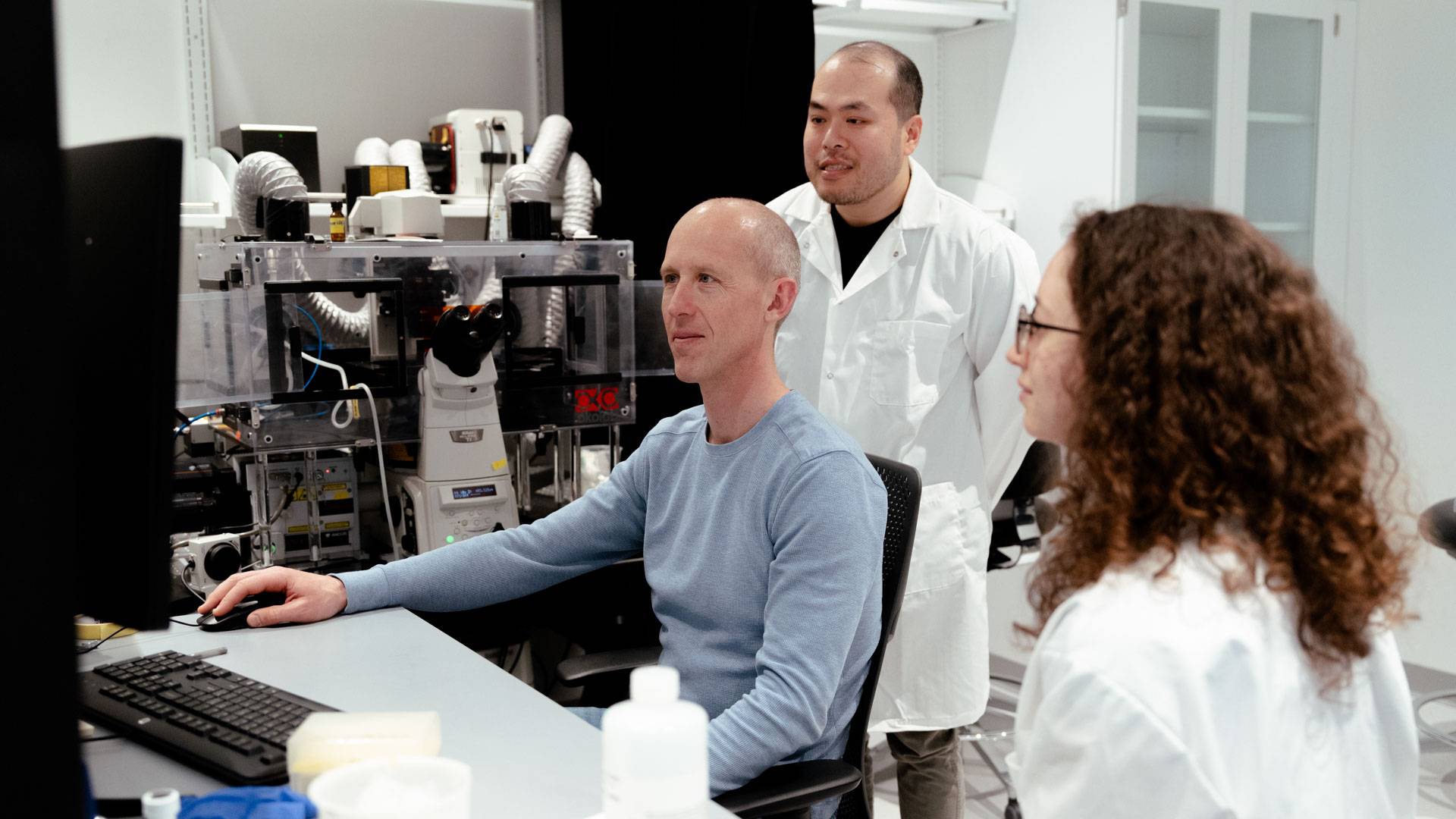
State-of-the-art laboratories at the new Omenn-Darling Bioengineering Institute are among the visible signs of the surge in biomedical research at Princeton. Here, ODBI Deputy Director Jared Toettcher (seated) works with postdoc Long Nguyen (standing) and grad student Aileen Kauffman (at right).

Andrew Kim, a Ph.D. candidate in chemical and biological engineering, at work in the Sapiro lab at Princeton Precision Health. PPH brings together experts across disciplines to develop AI- and data-driven approaches to integrate immense datasets. Their ambitious goal is to achieve a deep understanding of human health — at the molecular, individual and societal levels.
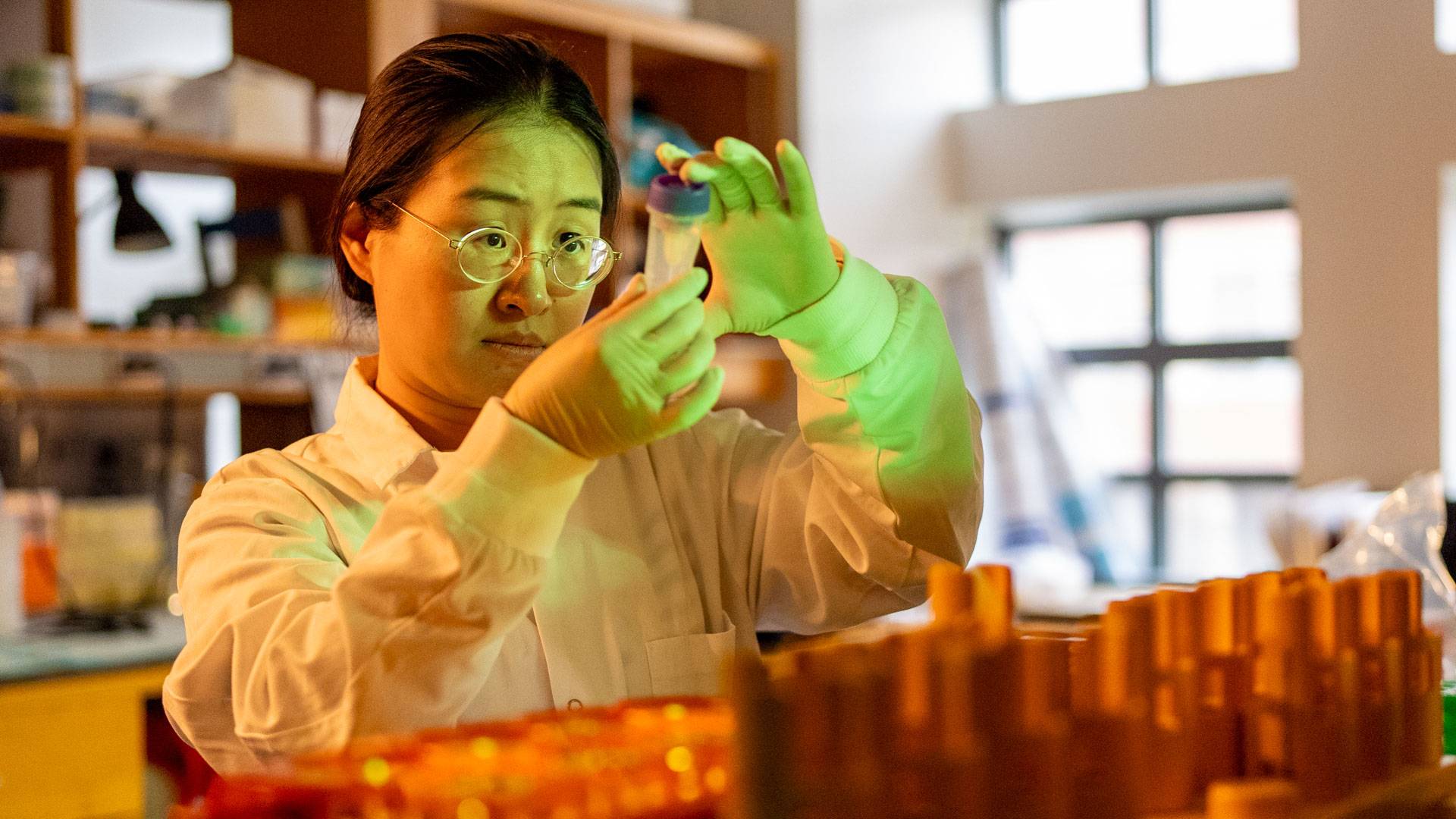
Postdoctoral fellow Yujiao Han conducts research in cancer biologist Yibin Kang's lab. Han was first author of a paper Kang's team published last year in Cell showing how tumors hijack macrophages to supply themselves with iron.


